← Archive

2026-10-21

October 21, 2026

The morning file for this date: Today's Five, then the wider set. Headlines open the original article.

Today's Five picks filed on this morning

Image: BBC News

A year of knitting in Poole produced a 400-metre scarf for a theatre yeti

More than twenty people in Poole spent about a year knitting a scarf for Betty and the Yeti, a family show at Lighthouse. BBC News reports the finished knitting at 400 metres. The yeti wears it. Djennat Hadid knits with a group called the Crafty Ladies and with residents at the care home where she works. She said they stopped only because the production needed the scarf, and that the sessions are there so people can make friends and feel less alone. The show is the reason the knitting has a deadline. The company around the needles is the reason it got that long.

A ridiculous length of scarf is a standing invitation to sit down with someone and keep going.

The 400-metre length is the knitters' figure, as reported by the BBC. The performance itself is still ahead.
BBC News ↗· Oct 21, 2026

Image: BBC News

A 73-year-old is now the oldest lifeguard at the Ulverston pool

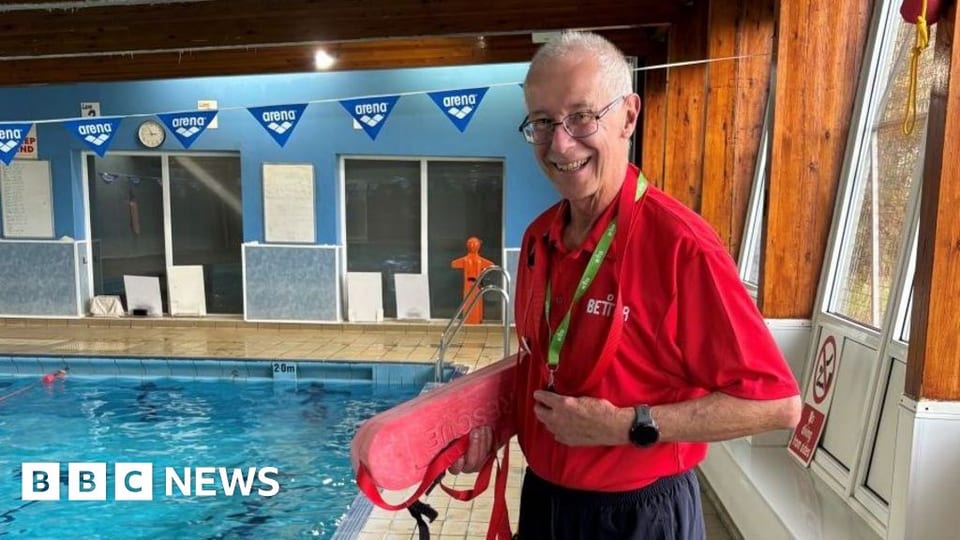
John Barstow, 73, has qualified as a lifeguard at Ulverston Leisure Centre after a week of training and a three-hour exam. He was the oldest person on the course by about forty years. The pool manager signed him up after Barstow, out for a swim, brought a training mannequin up from the bottom on the first try. He took up swimming later in life because it is gentler on injuries that now take longer to settle. He said the job is not only the swimming: someone has to whistle and keep the lane in order. He hopes the qualification shows a new skill does not have to start young.

A pool willing to train its oldest swimmer makes staying active feel like an ordinary next step.

The course, the exam, and the manager's challenge are Barstow's account, told to the BBC.

BBC News ↗· Oct 20, 2026

Image: The Guardian

A small cash stipend in the Peruvian Amazon lined up with less forest burning

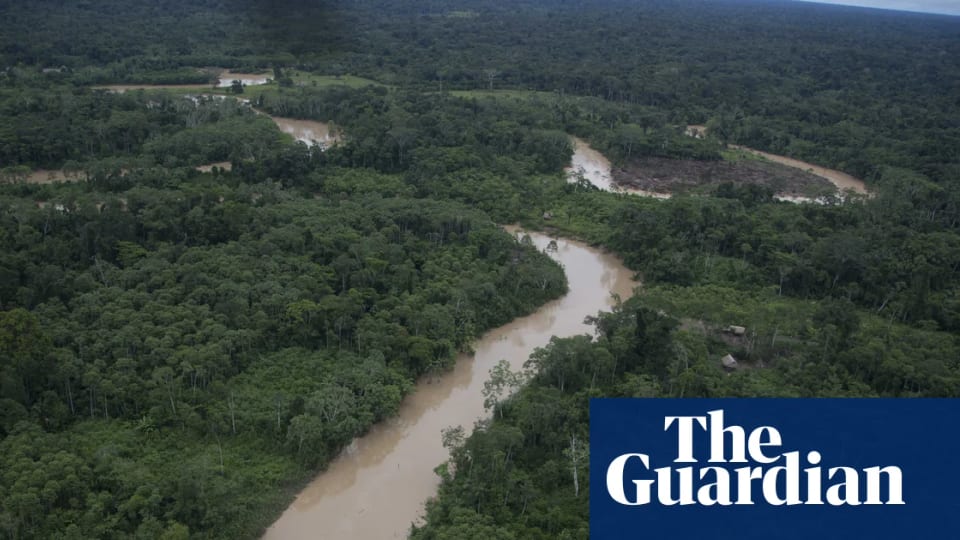
A University of Bath analysis of a two-year Cool Earth pilot followed 211 people in three Asháninka communities in Peru. Each person received six transfers of 1,032 soles, about £2 a day, with no rules on how to spend it. The researchers say nearly 90 percent of participants took up practices such as planting trees together, restoring water sources, and burning less forest. Households unable to afford nutritious food fell from 73 percent to 26 percent, and the share who left home to find work fell from 43 percent to 18 percent. The authors call it the first unconditional basic income for an Indigenous community in the Amazon. Local women's groups helped shape the project, which also offered voluntary classes on money, conservation, and climate.

People can look after a forest more readily when dinner is secure and leaving home is a choice.

The pilot covered a little over 500 hectares and did not measure trees, soil, or other projects that may have changed what people did. The figures are the study's own. Elsewhere, researchers have found that extra cash can sometimes increase clearing.

The Guardian ↗· Oct 20, 2026

Image: UCLA Health

A small UCLA trial finds a body molecule eased brain fog after breast cancer

Researchers at the UCLA Health Jonsson Comprehensive Cancer Center report, in JCO Oncology Advances, that oxaloacetate, a molecule the body already uses to make energy, tracked with clearer thinking in a small group of breast cancer survivors. Eighteen women, about 50 on average, who were one to five years past diagnosis and still struggling to concentrate, took 500 milligrams twice a day for eight weeks. Sixteen finished. All sixteen said their cognitive symptoms improved. The group's average score on the study's main questionnaire moved from 29.1, counted as impaired, to 55.5, counted as typical. Fatigue dropped and physical functioning rose. Tests of planning and processing speed improved too. Two people stopped because of stomach side effects. No serious adverse events were reported. First author Patricia Ganz said treatments for this lingering fog are still scarce. A placebo-controlled trial is planned for late 2026.

Fog after cancer treatment can last for years, and people living with it have had very little to try.

There was no placebo group, and only sixteen people finished the eight weeks, so the study cannot show that the supplement caused the change. Most participants were also taking endocrine therapy.

UCLA Health ↗· Oct 20, 2026

For a rare form of rectal cancer, an immunotherapy may replace surgery

On Monday the FDA granted accelerated approval for dostarlimab, sold as Jemperli, used alone in adults with previously untreated stage II or III rectal cancer whose tumors are mismatch-repair deficient or microsatellite instability-high. The agency says that pattern appears in about 3 percent of locally advanced rectal cancers. In the AZUR-1 study, 154 patients received up to nine doses over six months. After a median follow-up of more than two years, almost three-quarters had not gone on to surgery, radiation, or chemotherapy. An earlier Memorial Sloan Kettering study of 50 patients found no detectable cancer after the drug, and 93 percent of them were still clear at twelve months. Standard care at this stage often means chemotherapy and radiation before an operation that can change bowel, urinary, and sexual function. The drug can also turn the immune system on healthy organs. Fatigue, rash, diarrhea, and itching were each reported in at least 15 percent of patients treated for this cancer.

For a small group of patients, the chance to skip an operation that reshapes daily life is the news.

Accelerated approval, based on interim results, and only for this uncommon tumor pattern. The sponsor still has to show the benefit lasts. It does not apply to most rectal cancer.

Also that morning

Image: BBC News

A Sheerness beach cleaner kept CPR going until the ambulance arrived

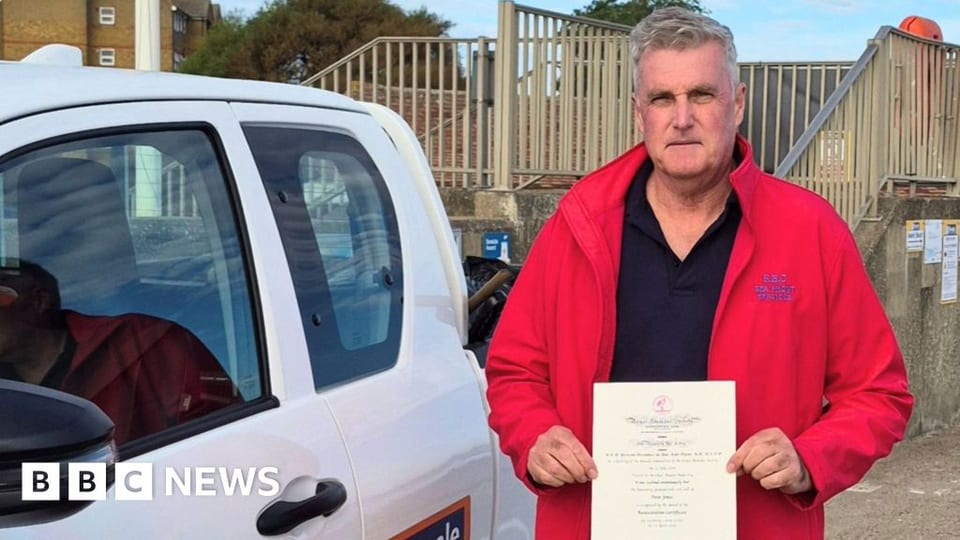
Peter Jones, who cleans the beach at Sheerness, is to receive a Royal Humane Society resuscitation certificate. He was driving the seafront truck along Marine Parade when a regular visitor collapsed mid-conversation with two women. Jones started chest compressions and kept them up for about ten minutes, until paramedics took over. The man's heart restarted after three shocks from a defibrillator. He has recovered enough to ride a bike along the seafront again, and he has thanked Jones. Andrew Chapman, secretary of the society, said the two women had not known how to help, and that the compressions were a major part of bringing the man back.

Ten steady minutes from someone who happened to be driving past can be the whole difference on a promenade.

The rescue and the recovery are the society's account, as reported by the BBC. The article does not name the man or date the collapse.

BBC News ↗· Oct 21, 2026

Image: BBC News

Richmond, Yorkshire, opens free bike trails after a mother's long campaign

Richmond Bike Park, graded dirt trails in fields off Green Howards Road, opened over the weekend after two and a half years of work led by Louise Raine. She started the campaign because the nearest place her three children could ride was a 45-minute trip away. North Yorkshire Council granted planning permission in August 2025. Backing came from the National Lottery, Sport England, the York and North Yorkshire Combined Authority, Harmony Energy, and Broadacres Housing Association. Raine said one-person local firms who gave up a day to dig mattered just as much. Organisers kept the opening quiet, and children were on the trails within minutes of the word going out. About eighteen volunteers have joined a weekly rota to inspect the paths. Coaching is planned from the spring, and a Darlington group, Future Pathways, is already bringing students.

A free loop of trails close to home gives children somewhere to ride without a drive across the county.

The park has only just opened. The inspection rota and the spring coaching are plans, not a full season of use.

BBC News ↗· Oct 20, 2026

Image: BBC News

Cornwall gleaners have passed a million pounds of rescued produce to food banks

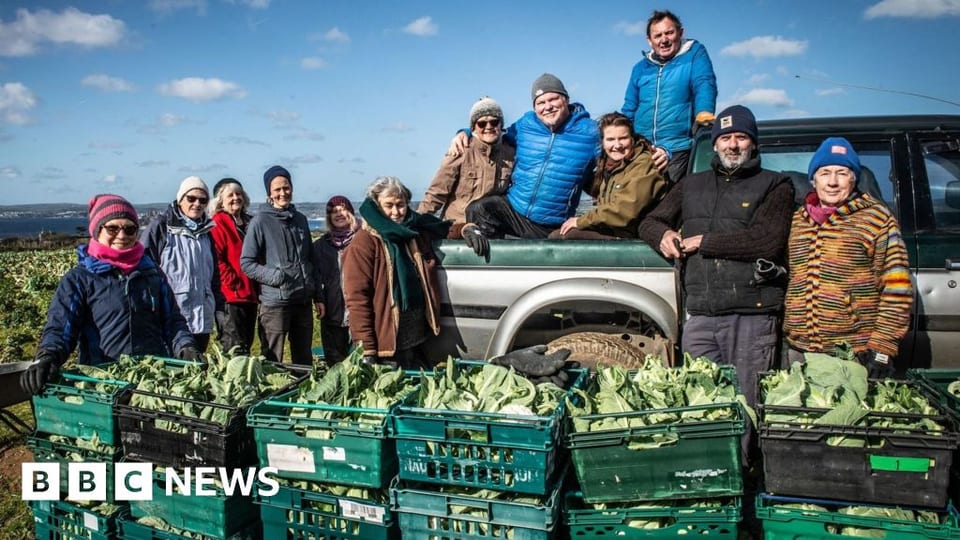
Gleaning Cornwall, a volunteer group started in 2020, says it has now passed along produce worth £1 million that would have stayed in the fields after harvest. The fruit and vegetables go, free, to 160 food banks, larders, and kitchens across the South West. The group puts the total above 460 tonnes and says the food reaches about 11,000 people a week. Founder Holly Whitelaw said transport, storage, and coordination are getting more expensive, and that the charity needs money for that backbone if the collections are to continue. Cornwall Council counts many more places handing out food aid than it did in 2015. A council study found 30 percent of children in the county living in food poverty.

Food already grown can reach a kitchen instead of rotting at the field edge, if someone has a van and a Saturday.

The £1 million, the tonnage, and the weekly reach are the charity's figures. Whitelaw says the group is short of money for transport and storage.

BBC News ↗· Oct 18, 2026