← Archive

2026-10-20

October 20, 2026

The morning file for this date: Today's Five, then the wider set. Headlines open the original article.

Today's Five picks filed on this morning

Michigan runners spent an hour cutting back a historic peony garden for spring

On Sunday the University of Michigan men's and women's cross-country teams cut the foliage in the W.E. Upjohn Peony Garden at Nichols Arboretum in Ann Arbor. The garden holds nearly 800 historic plants and, at its May and June peak, about 10,000 flowers that draw so many visitors they are bused in. Collections horticulturist Olivia Liebing-Slater said the autumn cut helps the plants through winter and limits disease that would otherwise carry over. The teams finished in about an hour. Runner Penelopea Gordon, on her fourth year of the chore, said the work is shared out in pieces. Coach Mike McGuire started the outing after hearing the arboretum staff used to need far longer.

A quiet hour with shears is what lets a beloved spring garden come back looking like itself.

How long the job used to take the staff is the coach's recollection. The cleanup is a yearly ritual, reported after Sunday's session.
Associated Press ↗· Oct 19, 2026

Image: BBC News

A Kettering play specialist helped an autistic teenager face dental surgery

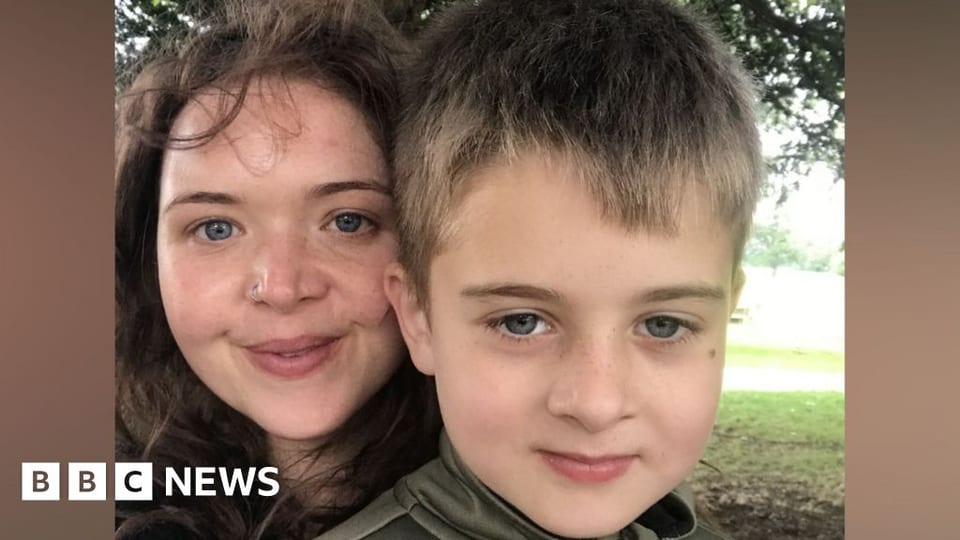
Claire Green, a play specialist at Kettering General Hospital, helped 14-year-old Dylan get through dental surgery. His mother, Rosie, said Green listened, explained each stage in a way he could manage, and shared a hospital passport with the wider team. The trust says Green made a personal visual guide and let Dylan see some of the equipment beforehand in a calm setting. Dylan said seeing and hearing the steps helped, and he has since recovered. The family nominated Green for a Star Award from University Hospitals of Northamptonshire, which she won.

A hospital visit is easier when someone slows down and shows a child what will happen before it does.

How the day felt comes from Dylan and his mother. This is one family's experience, recognized with a staff award.

BBC News ↗· Oct 20, 2026

Image: BBC News

London volunteers have planted more than 1,000 rare tower mustard plants

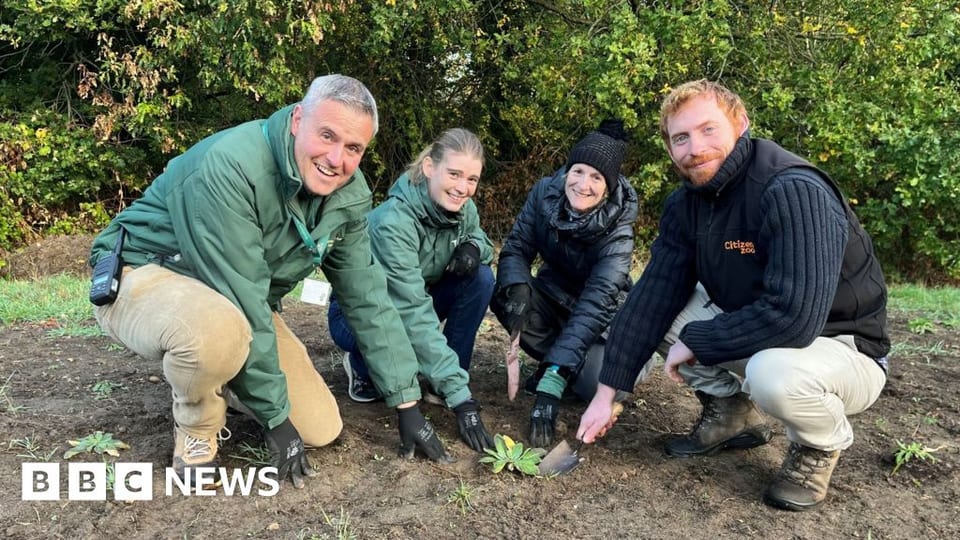
Volunteers with Citizen Zoo and Habitats & Heritage have grown and planted more than 1,000 tower mustard plants, a native wildflower that had dwindled to two sites in London. In March the Mighty Mustard volunteers learned to sow the tiny seeds, using stock from the last populations at Lesnes Abbey Woods and Stain Hill Reservoir. Plants are now in the ground at Wimbledon Common, Hounslow Heath, Lesnes Abbey Woods and Barnes Common, and a last planting day is set for Tuesday at Hampton Court Palace's Home Park. The species is listed as near threatened in Great Britain and endangered in England. Charlotte Harris of Habitats & Heritage said the volunteers have grown attached to the plants they raised.

A flower that feeds bees and moths can return to old ground when neighbors raise the seedlings themselves.

The 1,000-plant figure, and the claim that the flower has been saved in London, come from the project. This is the first year of planting, not a count of plants that have survived a winter.

BBC News ↗· Oct 19, 2026

Image: Nagoya University

Nagoya researchers trace a backup way neurons clear a protein tied to ALS

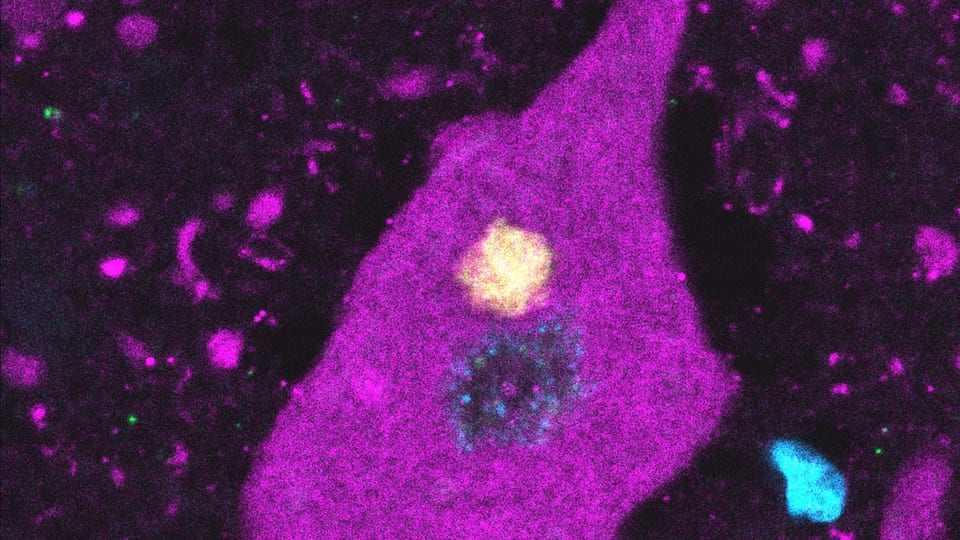
A Nagoya University team reports, in EMBO reports, a route motor neurons use to clear TDP-43, a protein that clumps in the cytoplasm in most cases of ALS. In cultured neurons, including human stem-cell-derived motor neurons, TDP-43 molecules that fail to pair up meet a sensor called TBK1. That meeting turns on an interferon-beta signal, and nearby neurons then build an immunoproteasome that breaks the protein down before it aggregates. Checks in mice, and in spinal-cord tissue donated by people who had ALS, found the receptor for that signal much lower in the patient samples. Senior author Koji Yamanaka said interferon beta itself is a poor treatment because of side effects, and the next step is to look for other compounds that switch the same cleanup system on.

ALS still has few ways to slow the damage. A cleanup path the cells already have gives researchers a specific thing to try to restore.

Cell, mouse, and postmortem tissue work, not a trial of a new drug. The team says this path may run alongside autophagy, not in place of it.

Nagoya University ↗· Oct 20, 2026

Image: Granada Social

Granada set tables in a square so strangers could sit down and talk

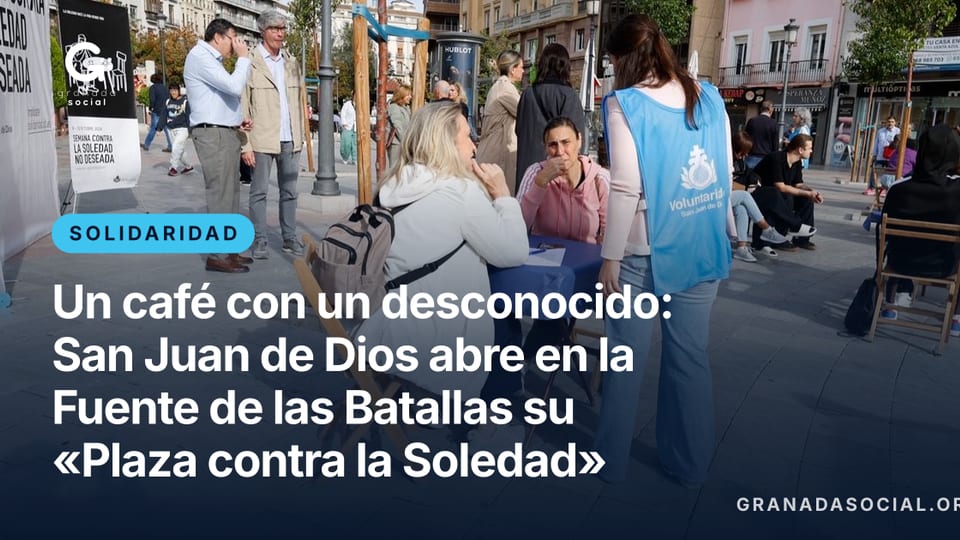
On Monday, volunteers with the Hospitaller Order of Saint John of God set tables beside the Fuente de las Batallas in Granada and invited people walking past to sit for a coffee and a conversation with a stranger. It opened a week of events, through October 25 with the city council, that also includes older residents interviewing passersby and a shared snack for hospital patients who have little support. Gustavo Adolfo Duque, who leads the order's social work there, said unwanted loneliness is not only a matter for services, and that the point is to make it visible in the middle of town. Councillor Amparo Arrabal backed the week.

A table in a busy square gives someone a reason to talk, without an appointment or a program to join.

Figures the group cited, including that unwanted loneliness affects about 20% of people in Spain, come from a national observatory, not from this afternoon. The article describes the opening, not a measured change.

Granada Social ↗· Oct 19, 2026

Also that morning

Image: BBC News

A Norwich man and the German donor who helped save him watched football together

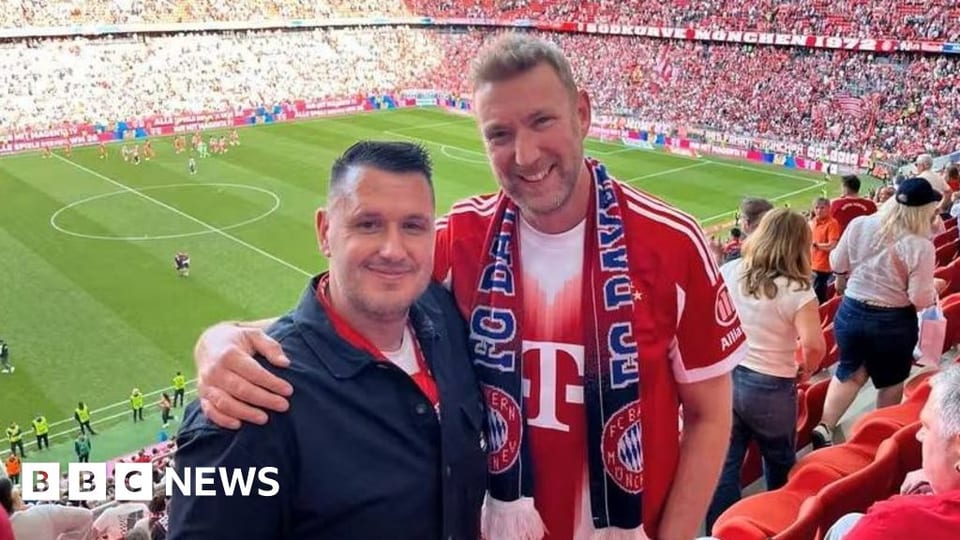
David Nichols, 49, was diagnosed with lymphoblastic lymphoma in 2020 while living in New York and needed a stem-cell transplant. On Saturday in Norfolk he watched Norwich City with Tobias Killie, 39, the German donor whose cells helped him recover. They met for the first time at the start of 2026, after Nichols wrote just before Christmas and Killie's wife arranged the trip. Nichols said the meeting felt as if they already knew each other, and that five years after treatment he can start rebuilding. DKMS UK, the charity that holds the donor register, said joining takes a few mouth swabs. Nichols is at The Forum in Norwich on Tuesday encouraging people to sign up.

A few minutes with a cotton swab can become, years later, a friendship and a second chance at an ordinary Saturday.

The friendship and the medical history are Nichols's account, with the charity confirming how the register works. The transplant was years ago. The news is the public meeting and the appeal.

BBC News ↗· Oct 20, 2026

Image: BBC News

Hull gives a volunteer-run library a 35-year lease so it can plan a rebuild

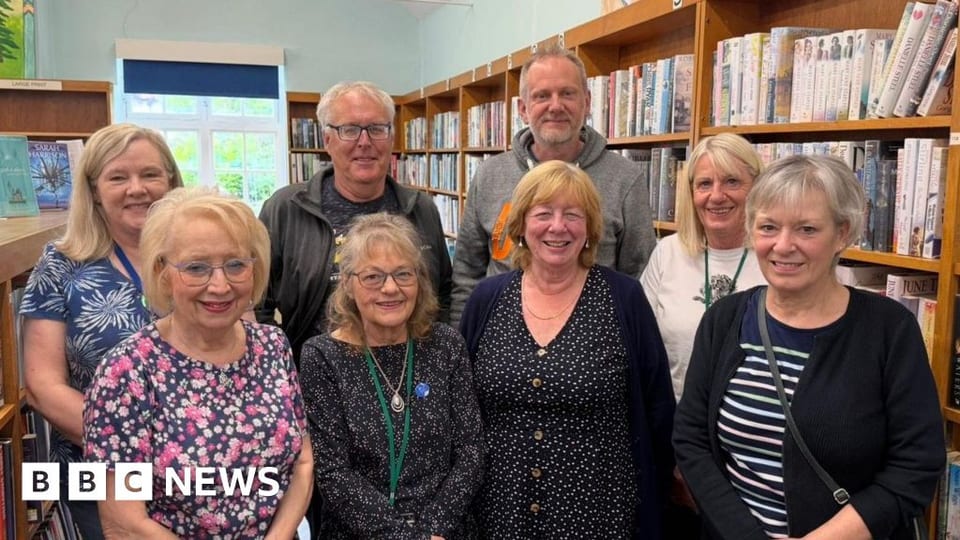
Hull City Council has approved a 35-year community asset transfer for Anlaby Park Community Library, which volunteers saved from a 2013 closure and have run since a 2014 lease. Chair Steve Ashton said the longer term lets the trustees plan a refurbishment and treat the building as a hub, not only keep the doors open. Between 60 and 80 volunteers staff it. The council is paying for the exterior work, and the volunteers raised the money for the interior. The job started in September and is due to finish next year. During the works the library is running a reduced service from a temporary building in the park.

A long lease lets a volunteer library borrow, repair, and plan, instead of wondering each year whether it will still be there.

The building is mid-renovation, so the full reopening is still ahead.

BBC News ↗· Oct 14, 2026

Image: University of Bristol

Bristol scientists find a chicken immune cell that could steady flock vaccines

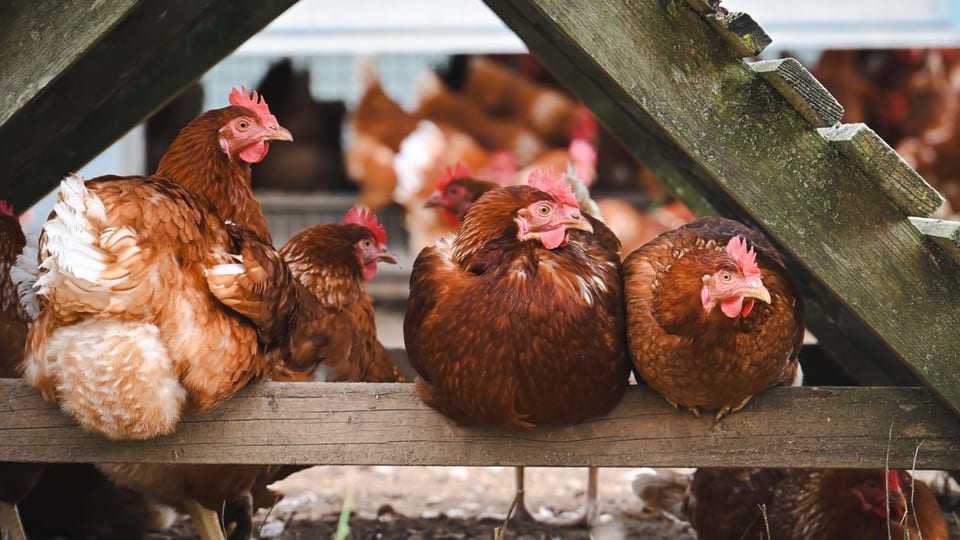
University of Bristol and Pirbright Institute researchers report, in the European Journal of Immunology, the first clear look at a chicken immune cell that behaves like the natural killer T cells mammals use for a fast response. The cells switch on only when they see both a fat molecule called GM3 and an alarm signal from other immune cells. Once on, they call in help against bacteria such as Salmonella and E. coli and can also destroy virus-infected cells. Senior author Shahriar Behboudi said the find changes how the bird immune system is understood. Co-author Nitin Kamble said the pathway looks shared across breeds, so a vaccine that includes a lipid such as GM3 might protect a flock more evenly.

Poultry vaccines do not always work the same way from breed to breed. A shared immune target is a practical place to start.

A laboratory discovery, not a vaccine tried in a flock. Less reliance on antibiotics is a hope the researchers stated, not a result of this study.