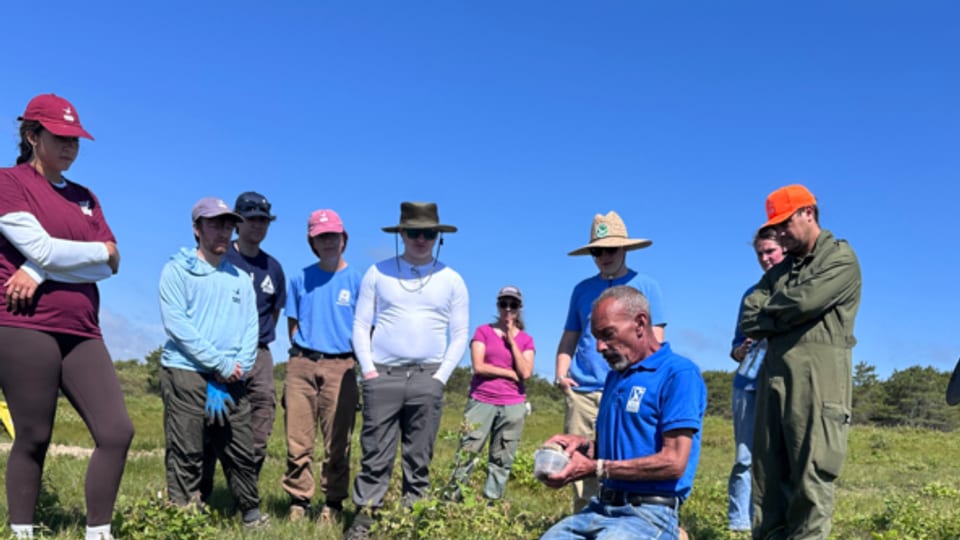
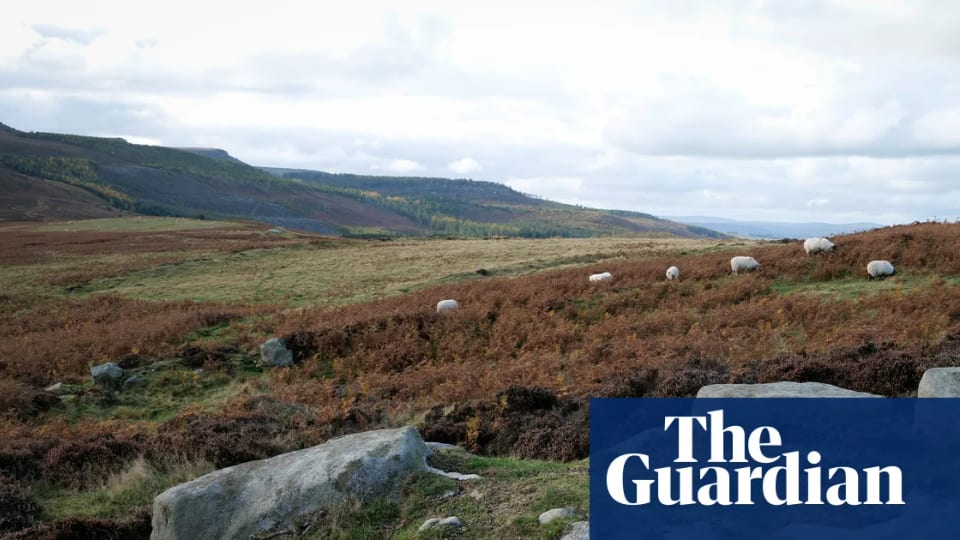
The Guardian reported on 30 October that the Wildlife Trusts have raised £30 million to buy the Rothbury estate in Northumberland, and that the purchase can now go ahead. The campaign opened two years ago after Max Percy, the Duke of Northumberland's youngest son, put the land up for sale. At more than 3,800 hectares, nearly 15 square miles, it is an area the paper compares to Athens, and the largest piece of land in single ownership to come up for sale in England in more than 30 years. About 25,000 people gave £17 million. The National Lottery Heritage Fund gave £5 million, foundations and philanthropists gave more, and the government this week pledged £1.94 million. David Attenborough, who had backed the appeal, thanked the public on Friday and said the land could be a place where nature, community, farming, and heritage sit together. Mike Pratt, chief executive of Northumberland Wildlife Trust, said he felt elated and humbled, and that the public money has to be honoured by letting people get close to wildlife. The ground runs from the Simonside hills through moor, valley woods, the River Coquet, and farm fields. At Lordenshaws, an iron-age hill fort, Pratt pointed to one of England's largest clusters of ancient cup-and-ring marked rocks. The trust hopes to bring back water voles, encourage pine martens already returning on their own, and see more curlew, red squirrels, and mountain bumblebees. The longer hope is a nature corridor of about 40 miles from Druridge Bay on the coast to reserves at the Scottish border. Project manager Sophie Bulgin said volunteers have already been walking through shoulder-high bracken to place sound monitors, and that earthworm counts are coming in a fortnight. Not everyone is pleased. Guy Renner-Thompson, a councillor who chairs Northumberland Conservatives, said farmers on the estate have raised worries about food production, traditional management, and whether their businesses can stay profitable, and that those questions need answers. Pratt said the trust has been working with the farmers and wants wildlife and a working farm business on the same ground.
A moor bought with thousands of small gifts is a landscape neighbors can walk, not only a line on a fundraising page.
The £30 million is the sum raised to buy the estate, not a count of species already recovered. Water voles, more curlew, and the 40-mile corridor are hopes Pratt and the trust described, not results in hand. The farmer concerns are Renner-Thompson's account of what farmers have said. The sale itself is announced as able to proceed; the story does not say the deed has been signed.