 Image: Mongabay
A Thai rescue center is teaching burned leopard-cat cubs to hunt before they return to the forest
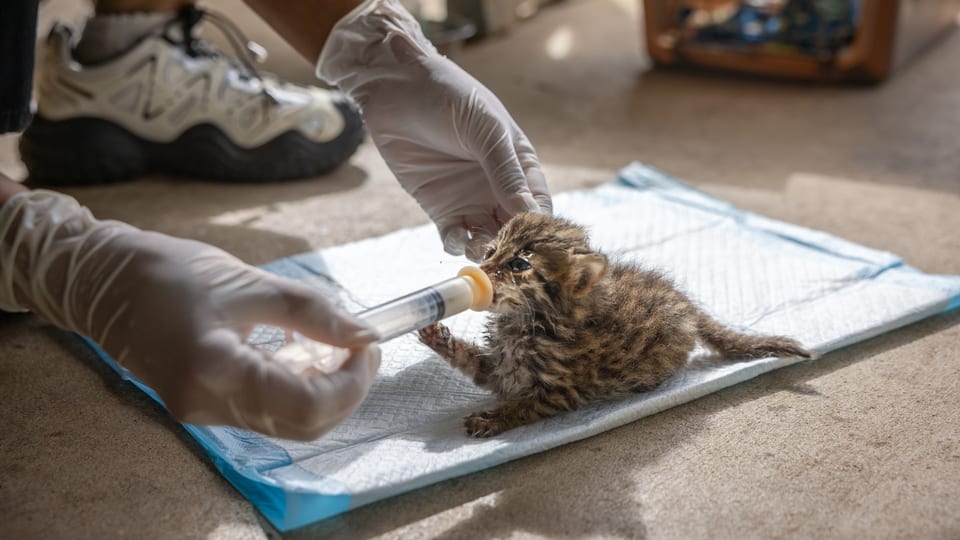
A government wildlife rescue center in Khon Kaen, in northeastern Thailand, is taking in far more leopard-cat cubs than it used to. Mongabay reported on 28 October that admissions rose from about 10 a year before 2023 to as many as 65. Staff tie that rise to habitat broken into smaller pieces, fires in sugarcane fields, and more people using a wildlife hotline. From January through August this year the center took in more than 60 kittens, and more than half came out of burned fields with burn injuries. Keepers treat burns, infections, and poor nutrition, then move the cats into rehabilitation pens of about 24 square meters. For about two months the cubs practice climbing and hunting live prey, including mice and chicks, and learn to keep their distance from people. Veterinarian Warisara Thomas said some cubs are afraid of the chicks at first. Mortality at the center fell to about 33 percent in 2026, from about 60 percent in earlier years. Thomas said many of the cubs that died had first been kept at home, which is illegal and can expose them to diseases from pets. Before release, the cats are tested for several viruses and given a microchip. Those that clear the checks go to Phu Pha Man National Park nearby. Head veterinarian Nuntita Ruksachat said that forest can take only a few more releases, and that the team is looking at other ground. Jim Sanderson of the Small Wild Cat Conservation Foundation called this kind of soft release vital.
A cub that has practiced hunting in a pen has a better chance of feeding itself once the gate opens.
The admission counts, the share found in burned fields, and the mortality rates are the center's, as Mongabay reports them from Ana Norman Bermúdez's reporting. The lower death rate is among cubs at the center, not a count of how many live after release. More rescues also means more cubs are being displaced.