 Image: Positive News
Namibian rangers pair old tracking skills with phones so farmers hear about lions in time
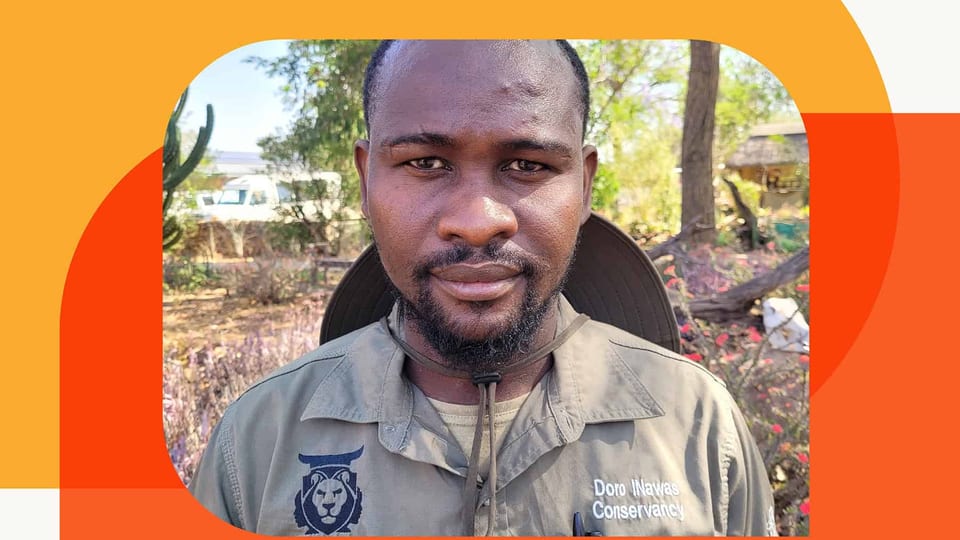
Positive News reported on 29 October on Namibia's Lion Rangers, a community programme in 11 conservancies in the arid Kunene region. Field coordinator Benjamin Kordom, whose family first met lions at the edge of their farm in 2018, now oversees more than 40 rangers, patrol leaders, and rapid-response drivers. They walk as far as 40 kilometres a day, noting tracks, scat, kills, and how the cats are holding up, across about 40,000 square kilometres from the Skeleton Coast toward Etosha. Since 2021 they have logged that work on smartphones with a free tool called SMART, instead of notebooks that could take days to reach anyone able to act. With camera traps and GPS collars on 44 lions, the reports tell a patrol where to walk and when to warn a remote farm. In one 18-month stretch the rangers covered almost 280,000 kilometres, 88,000 of them on foot. Coordinator Mathilde Brassine said illegal killings have stopped in six of the conservancies, and that the desert lion population now stands at 60, which the programme considers stable. Text alerts and 16 early-warning towers also tell some herders when a collared lion crosses a virtual fence. Kordom said the phone still loses to a footprint: once, a collar's coordinates sat empty for 12 hours until the team stepped off the vehicle, found fresh tracks, and a pride on a giraffe kill.
A warning that arrives before the goats are in the open is how a farm and a lion can share the same dry country.
The counts of rangers, kilometres, collars, towers, and lions are the programme's, as Positive News reports them. The population rebounded from about 20 adults in 1997 to about 180 by 2015, then fell; 60 is not that earlier peak. Conflict incidents were down by a third as of 2023 and have risen since, which the programme ties in part to better detection and to prey moving with the rains. This is not a claim that conflict is over.