← Archive

2026-10-20

October 20, 2026

Published this day

Image: BBC News

A Kettering play specialist helped an autistic teenager face dental surgery

Claire Green, a play specialist at Kettering General Hospital, helped 14-year-old Dylan get through dental surgery. His mother, Rosie, said Green listened, explained each stage in a way he could manage, and shared a hospital passport with the wider team. The trust says Green made a personal visual guide and let Dylan see some of the equipment beforehand in a calm setting. Dylan said seeing and hearing the steps helped, and he has since recovered. The family nominated Green for a Star Award from University Hospitals of Northamptonshire, which she won.

A hospital visit is easier when someone slows down and shows a child what will happen before it does.

How the day felt comes from Dylan and his mother. This is one family's experience, recognized with a staff award.

BBC News ↗· Oct 20, 2026

Image: Nagoya University

Nagoya researchers trace a backup way neurons clear a protein tied to ALS

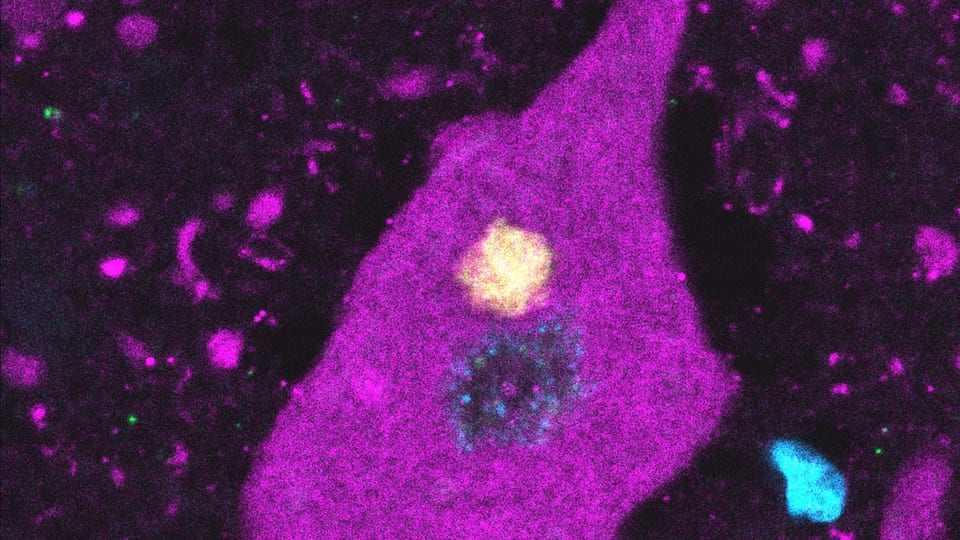
A Nagoya University team reports, in EMBO reports, a route motor neurons use to clear TDP-43, a protein that clumps in the cytoplasm in most cases of ALS. In cultured neurons, including human stem-cell-derived motor neurons, TDP-43 molecules that fail to pair up meet a sensor called TBK1. That meeting turns on an interferon-beta signal, and nearby neurons then build an immunoproteasome that breaks the protein down before it aggregates. Checks in mice, and in spinal-cord tissue donated by people who had ALS, found the receptor for that signal much lower in the patient samples. Senior author Koji Yamanaka said interferon beta itself is a poor treatment because of side effects, and the next step is to look for other compounds that switch the same cleanup system on.

ALS still has few ways to slow the damage. A cleanup path the cells already have gives researchers a specific thing to try to restore.

Cell, mouse, and postmortem tissue work, not a trial of a new drug. The team says this path may run alongside autophagy, not in place of it.

Nagoya University ↗· Oct 20, 2026

Image: BBC News

A Norwich man and the German donor who helped save him watched football together

David Nichols, 49, was diagnosed with lymphoblastic lymphoma in 2020 while living in New York and needed a stem-cell transplant. On Saturday in Norfolk he watched Norwich City with Tobias Killie, 39, the German donor whose cells helped him recover. They met for the first time at the start of 2026, after Nichols wrote just before Christmas and Killie's wife arranged the trip. Nichols said the meeting felt as if they already knew each other, and that five years after treatment he can start rebuilding. DKMS UK, the charity that holds the donor register, said joining takes a few mouth swabs. Nichols is at The Forum in Norwich on Tuesday encouraging people to sign up.

A few minutes with a cotton swab can become, years later, a friendship and a second chance at an ordinary Saturday.

The friendship and the medical history are Nichols's account, with the charity confirming how the register works. The transplant was years ago. The news is the public meeting and the appeal.

BBC News ↗· Oct 20, 2026

Image: BBC News

A 73-year-old is now the oldest lifeguard at the Ulverston pool

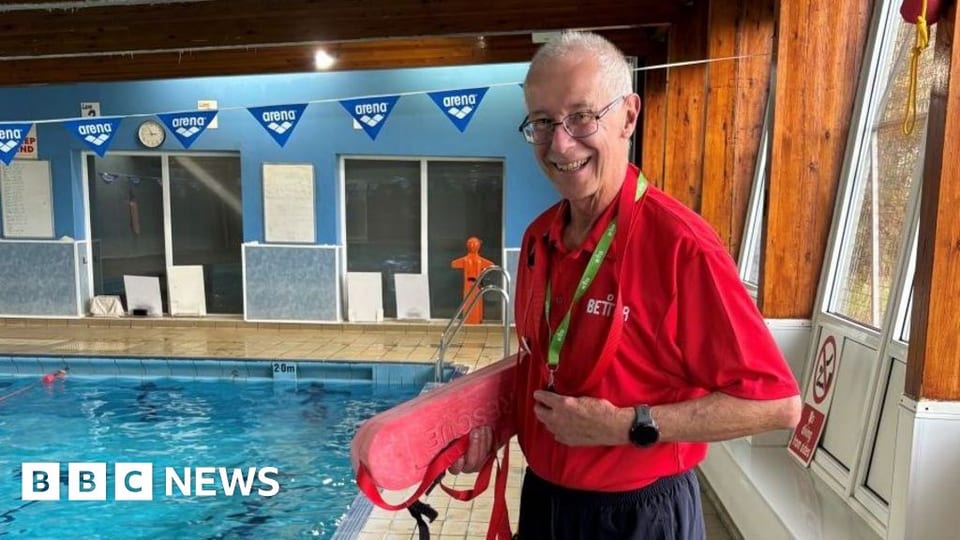
John Barstow, 73, has qualified as a lifeguard at Ulverston Leisure Centre after a week of training and a three-hour exam. He was the oldest person on the course by about forty years. The pool manager signed him up after Barstow, out for a swim, brought a training mannequin up from the bottom on the first try. He took up swimming later in life because it is gentler on injuries that now take longer to settle. He said the job is not only the swimming: someone has to whistle and keep the lane in order. He hopes the qualification shows a new skill does not have to start young.

A pool willing to train its oldest swimmer makes staying active feel like an ordinary next step.

The course, the exam, and the manager's challenge are Barstow's account, told to the BBC.

BBC News ↗· Oct 20, 2026

Image: The Guardian

A small cash stipend in the Peruvian Amazon lined up with less forest burning

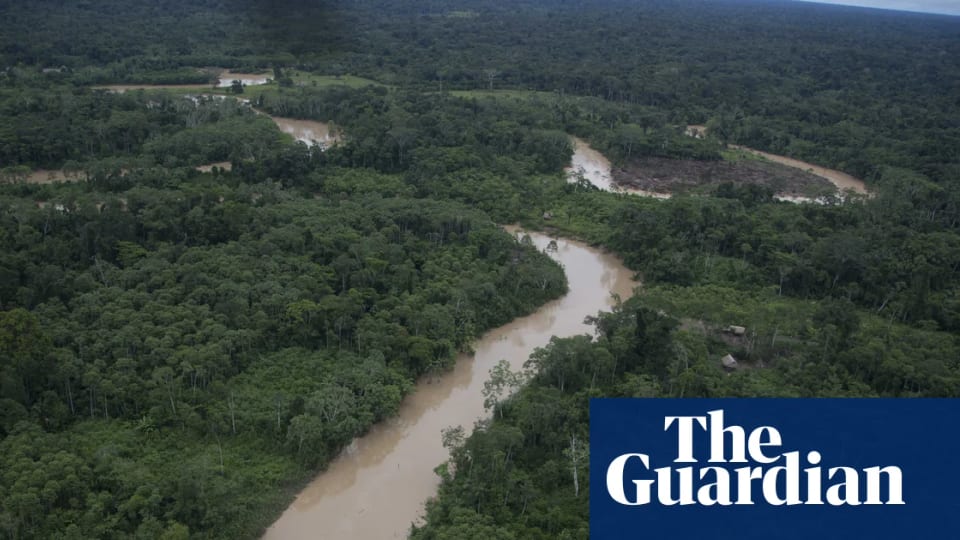
A University of Bath analysis of a two-year Cool Earth pilot followed 211 people in three Asháninka communities in Peru. Each person received six transfers of 1,032 soles, about £2 a day, with no rules on how to spend it. The researchers say nearly 90 percent of participants took up practices such as planting trees together, restoring water sources, and burning less forest. Households unable to afford nutritious food fell from 73 percent to 26 percent, and the share who left home to find work fell from 43 percent to 18 percent. The authors call it the first unconditional basic income for an Indigenous community in the Amazon. Local women's groups helped shape the project, which also offered voluntary classes on money, conservation, and climate.

People can look after a forest more readily when dinner is secure and leaving home is a choice.

The pilot covered a little over 500 hectares and did not measure trees, soil, or other projects that may have changed what people did. The figures are the study's own. Elsewhere, researchers have found that extra cash can sometimes increase clearing.

The Guardian ↗· Oct 20, 2026

Image: UCLA Health

A small UCLA trial finds a body molecule eased brain fog after breast cancer

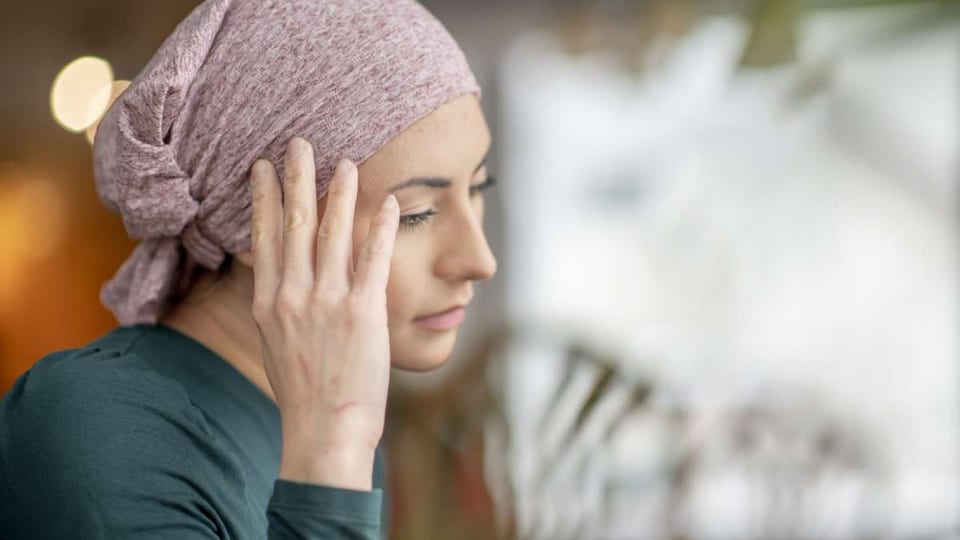
Researchers at the UCLA Health Jonsson Comprehensive Cancer Center report, in JCO Oncology Advances, that oxaloacetate, a molecule the body already uses to make energy, tracked with clearer thinking in a small group of breast cancer survivors. Eighteen women, about 50 on average, who were one to five years past diagnosis and still struggling to concentrate, took 500 milligrams twice a day for eight weeks. Sixteen finished. All sixteen said their cognitive symptoms improved. The group's average score on the study's main questionnaire moved from 29.1, counted as impaired, to 55.5, counted as typical. Fatigue dropped and physical functioning rose. Tests of planning and processing speed improved too. Two people stopped because of stomach side effects. No serious adverse events were reported. First author Patricia Ganz said treatments for this lingering fog are still scarce. A placebo-controlled trial is planned for late 2026.

Fog after cancer treatment can last for years, and people living with it have had very little to try.

There was no placebo group, and only sixteen people finished the eight weeks, so the study cannot show that the supplement caused the change. Most participants were also taking endocrine therapy.

UCLA Health ↗· Oct 20, 2026

Image: BBC News

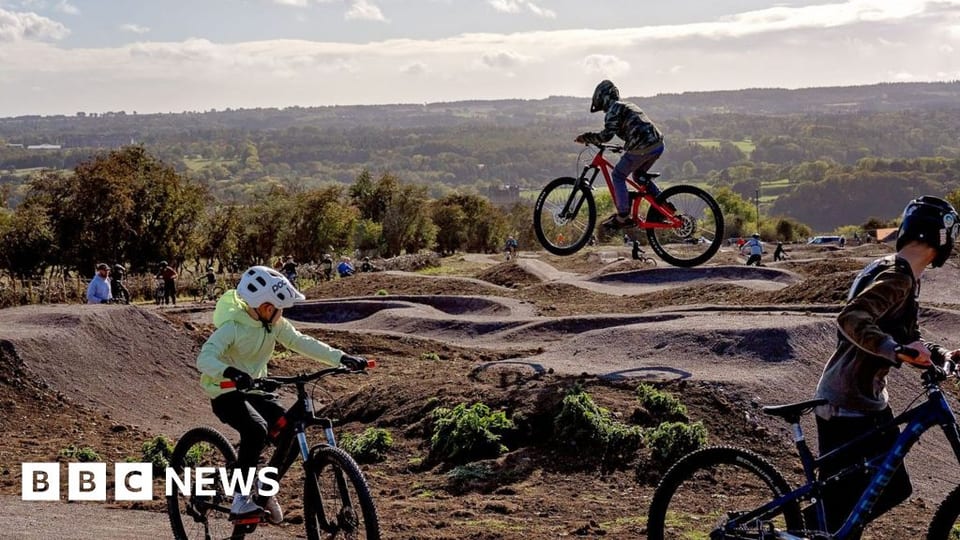
Richmond, Yorkshire, opens free bike trails after a mother's long campaign

Richmond Bike Park, graded dirt trails in fields off Green Howards Road, opened over the weekend after two and a half years of work led by Louise Raine. She started the campaign because the nearest place her three children could ride was a 45-minute trip away. North Yorkshire Council granted planning permission in August 2025. Backing came from the National Lottery, Sport England, the York and North Yorkshire Combined Authority, Harmony Energy, and Broadacres Housing Association. Raine said one-person local firms who gave up a day to dig mattered just as much. Organisers kept the opening quiet, and children were on the trails within minutes of the word going out. About eighteen volunteers have joined a weekly rota to inspect the paths. Coaching is planned from the spring, and a Darlington group, Future Pathways, is already bringing students.

A free loop of trails close to home gives children somewhere to ride without a drive across the county.

The park has only just opened. The inspection rota and the spring coaching are plans, not a full season of use.

BBC News ↗· Oct 20, 2026

Image: Boise State Public Radio

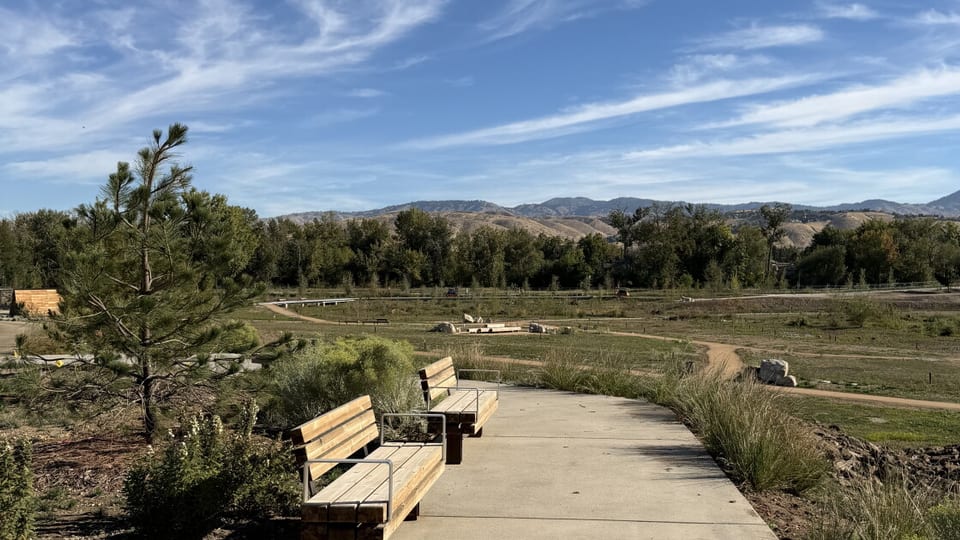
A nearly 50-acre park on Boise's old horse track opens along the river

Ada County's Park at Expo Idaho, nearly 50 acres along the Boise River in Garden City, opens Friday, October 23, on the site of Les Bois Park. The horse track had sat quiet after wagering was banned in 2015. Boise State Public Radio walked the grounds with senior project manager Josh Brown while crews finished the last work. About a million plants and plugs went in by hand. Only about a third of an acre is turf. The rest is native planting, laid out so the floodplain can still take the river, a requirement of the U.S. Army Corps of Engineers. The paths run 3.4 miles. The skate park runs from beginner bowls to features taken from the Olympics, and a public bathroom there used 750,000 pounds of concrete, with a walkway that can be skated. The playground's swing hangs from a single post, like a track rail, and the tallest climb is 36 feet. The pace was tied to $42 million in American Rescue Plan Act money that had to be spent by the end of this year. Brown, who asked for bird habitat from the start, stopped mid-tour for a kestrel hunting over the new wetland, the first he had seen there, with a kingfisher chasing it off. He has also logged ducks, sandpipers, killdeer, a great heron, an egret the crew named Gary, plus fish, frogs, and salamanders. The ribbon cutting is at 10 a.m. on the plaza by the greenbelt. He said opening day is the worst the park will look, because the plants are meant to grow in.

A racetrack that had nothing to do for a decade is now a wetland and a place to skate, a short walk from the river path.

The report is from before Friday's ribbon cutting, while concrete crews were still on the skate park. The plantings, the path length, and the wildlife list are the project manager's account.
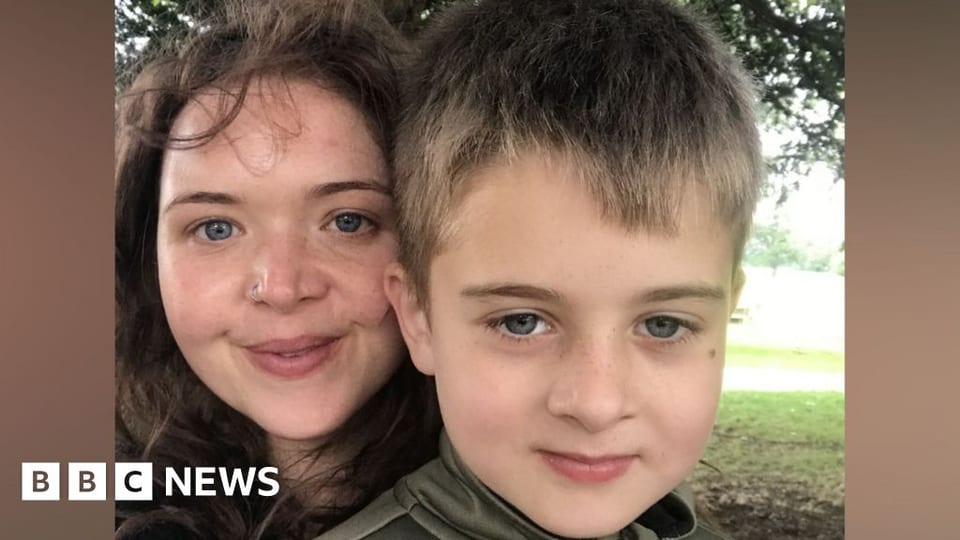
Image: Island Conservation

A year after rats and pigs left, Nu'utele is growing food and nesting birds again

Nu'utele, a Samoan island that still holds some of the country's best-preserved tropical forest, is showing new growth a year after invasive rats and feral pigs were removed. Island Conservation, Samoa's Ministry of Natural Resources and Environment, the Pacific Regional Invasive Species Management Support Service, and people from Aleipata did the work. Between March 2025 and May 2026, field teams made 12 trips and spent more than 130 days on the steep ground. Project manager Paul Jacques said native seedlings are carpeting the floor, knee-high where regeneration had been held down, and that people are harvesting giant taro in places where crops had failed. A local family is growing bananas, pineapples, papayas, and taro. The project says sea turtles are nesting after decades away, and a land crab not previously recorded on the island has turned up. One month after the removal, researchers found shy ground dove nests with eggs in bird's-nest ferns, a nest of the endemic Samoan starling, and breeding by the Samoan flycatcher and whistler. Nu'utele holds Samoa's largest remaining population of the shy ground dove. A later move of the threatened mao, a forest bird, is planned and has not happened. The island sits inside a marine protected area and was never cleared.

When the animals eating eggs and seedlings are gone, a forest can feed both the birds and the people who harvest from it.

These are early observations from the groups that did the removal, not an independent census. The mao has not been moved, and the decades without nesting turtles are the project's account. Long-term monitoring is still ahead.

Image: The University of Sydney

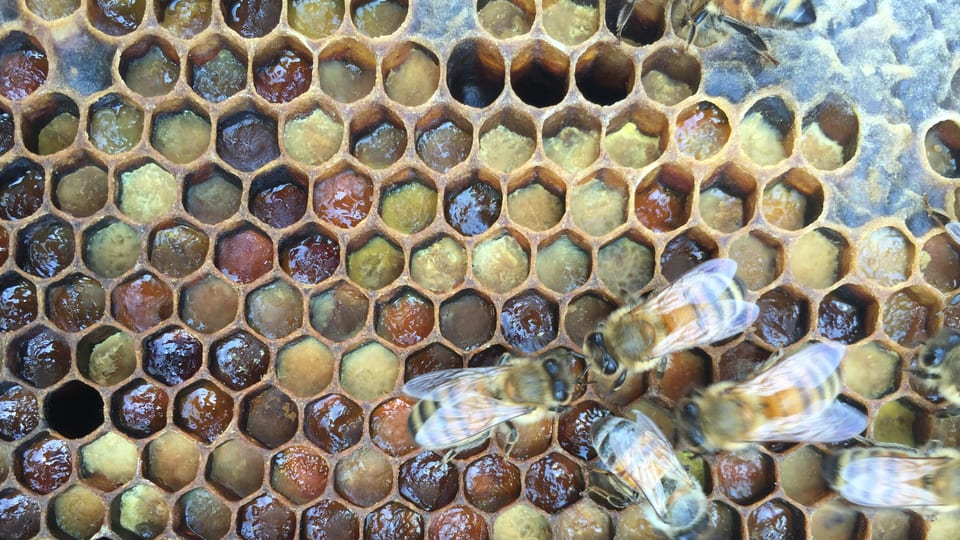
A honey bee hive arranges its honey, wax, pollen and propolis in layers that guard the young

The University of Sydney said researchers led by Kenya Fernandes sampled honey, pollen, beeswax, and propolis, the sticky plant resin bees use to seal cracks, from 24 colonies across five apiaries at Tocal College in New South Wales, and also studied the bees themselves. Writing in ISME Communications, they report that these materials are not scattered at random. The parts of the hive most exposed to the outside hold the strongest broad defences, such as hydrogen peroxide in honey and flavonoids in propolis. Closer to the centre, the wax comb, stored pollen, and the bees' own bodies become more selective, keeping out harmful bacteria and fungi while letting helpful ones live, much as a gut does. The strength of those defences tracked the plants around each apiary, so bushland and farmland hives differed.

A hive keeps its youngest safe with what the flowers nearby provide, which makes the case for a varied landscape.

Calling the hive an immune system is the researchers' comparison. The study covered European honey bees in one region of Australia; it shows how defences are arranged, not that more flowers would cure sick hives.

The edition Today's Five, then the rest of the file

This morning's file includes stories published earlier in the week. Headlines open the original article. Open the issue page.

Michigan runners spent an hour cutting back a historic peony garden for spring

On Sunday the University of Michigan men's and women's cross-country teams cut the foliage in the W.E. Upjohn Peony Garden at Nichols Arboretum in Ann Arbor. The garden holds nearly 800 historic plants and, at its May and June peak, about 10,000 flowers that draw so many visitors they are bused in. Collections horticulturist Olivia Liebing-Slater said the autumn cut helps the plants through winter and limits disease that would otherwise carry over. The teams finished in about an hour. Runner Penelopea Gordon, on her fourth year of the chore, said the work is shared out in pieces. Coach Mike McGuire started the outing after hearing the arboretum staff used to need far longer.

A quiet hour with shears is what lets a beloved spring garden come back looking like itself.

How long the job used to take the staff is the coach's recollection. The cleanup is a yearly ritual, reported after Sunday's session.

Associated Press ↗· Oct 19, 2026

Image: BBC News

A Kettering play specialist helped an autistic teenager face dental surgery

Claire Green, a play specialist at Kettering General Hospital, helped 14-year-old Dylan get through dental surgery. His mother, Rosie, said Green listened, explained each stage in a way he could manage, and shared a hospital passport with the wider team. The trust says Green made a personal visual guide and let Dylan see some of the equipment beforehand in a calm setting. Dylan said seeing and hearing the steps helped, and he has since recovered. The family nominated Green for a Star Award from University Hospitals of Northamptonshire, which she won.

A hospital visit is easier when someone slows down and shows a child what will happen before it does.

How the day felt comes from Dylan and his mother. This is one family's experience, recognized with a staff award.

BBC News ↗· Oct 20, 2026

Image: BBC News

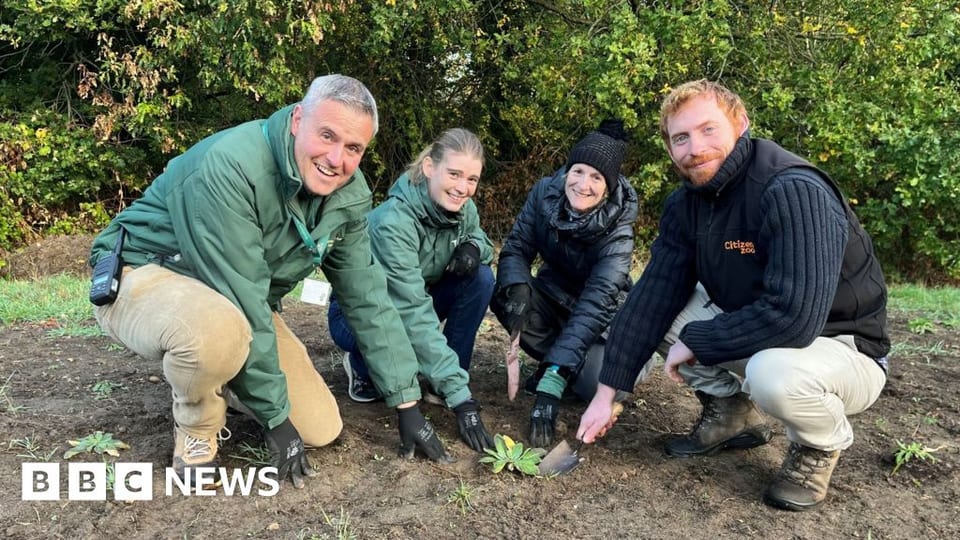
London volunteers have planted more than 1,000 rare tower mustard plants

Volunteers with Citizen Zoo and Habitats & Heritage have grown and planted more than 1,000 tower mustard plants, a native wildflower that had dwindled to two sites in London. In March the Mighty Mustard volunteers learned to sow the tiny seeds, using stock from the last populations at Lesnes Abbey Woods and Stain Hill Reservoir. Plants are now in the ground at Wimbledon Common, Hounslow Heath, Lesnes Abbey Woods and Barnes Common, and a last planting day is set for Tuesday at Hampton Court Palace's Home Park. The species is listed as near threatened in Great Britain and endangered in England. Charlotte Harris of Habitats & Heritage said the volunteers have grown attached to the plants they raised.

A flower that feeds bees and moths can return to old ground when neighbors raise the seedlings themselves.

The 1,000-plant figure, and the claim that the flower has been saved in London, come from the project. This is the first year of planting, not a count of plants that have survived a winter.

BBC News ↗· Oct 19, 2026

Image: Nagoya University

Nagoya researchers trace a backup way neurons clear a protein tied to ALS

A Nagoya University team reports, in EMBO reports, a route motor neurons use to clear TDP-43, a protein that clumps in the cytoplasm in most cases of ALS. In cultured neurons, including human stem-cell-derived motor neurons, TDP-43 molecules that fail to pair up meet a sensor called TBK1. That meeting turns on an interferon-beta signal, and nearby neurons then build an immunoproteasome that breaks the protein down before it aggregates. Checks in mice, and in spinal-cord tissue donated by people who had ALS, found the receptor for that signal much lower in the patient samples. Senior author Koji Yamanaka said interferon beta itself is a poor treatment because of side effects, and the next step is to look for other compounds that switch the same cleanup system on.

ALS still has few ways to slow the damage. A cleanup path the cells already have gives researchers a specific thing to try to restore.

Cell, mouse, and postmortem tissue work, not a trial of a new drug. The team says this path may run alongside autophagy, not in place of it.

Nagoya University ↗· Oct 20, 2026

Image: Granada Social

Granada set tables in a square so strangers could sit down and talk

On Monday, volunteers with the Hospitaller Order of Saint John of God set tables beside the Fuente de las Batallas in Granada and invited people walking past to sit for a coffee and a conversation with a stranger. It opened a week of events, through October 25 with the city council, that also includes older residents interviewing passersby and a shared snack for hospital patients who have little support. Gustavo Adolfo Duque, who leads the order's social work there, said unwanted loneliness is not only a matter for services, and that the point is to make it visible in the middle of town. Councillor Amparo Arrabal backed the week.

A table in a busy square gives someone a reason to talk, without an appointment or a program to join.

Figures the group cited, including that unwanted loneliness affects about 20% of people in Spain, come from a national observatory, not from this afternoon. The article describes the opening, not a measured change.

Granada Social ↗· Oct 19, 2026

Image: BBC News

A Norwich man and the German donor who helped save him watched football together

David Nichols, 49, was diagnosed with lymphoblastic lymphoma in 2020 while living in New York and needed a stem-cell transplant. On Saturday in Norfolk he watched Norwich City with Tobias Killie, 39, the German donor whose cells helped him recover. They met for the first time at the start of 2026, after Nichols wrote just before Christmas and Killie's wife arranged the trip. Nichols said the meeting felt as if they already knew each other, and that five years after treatment he can start rebuilding. DKMS UK, the charity that holds the donor register, said joining takes a few mouth swabs. Nichols is at The Forum in Norwich on Tuesday encouraging people to sign up.

A few minutes with a cotton swab can become, years later, a friendship and a second chance at an ordinary Saturday.

The friendship and the medical history are Nichols's account, with the charity confirming how the register works. The transplant was years ago. The news is the public meeting and the appeal.

BBC News ↗· Oct 20, 2026

Image: BBC News

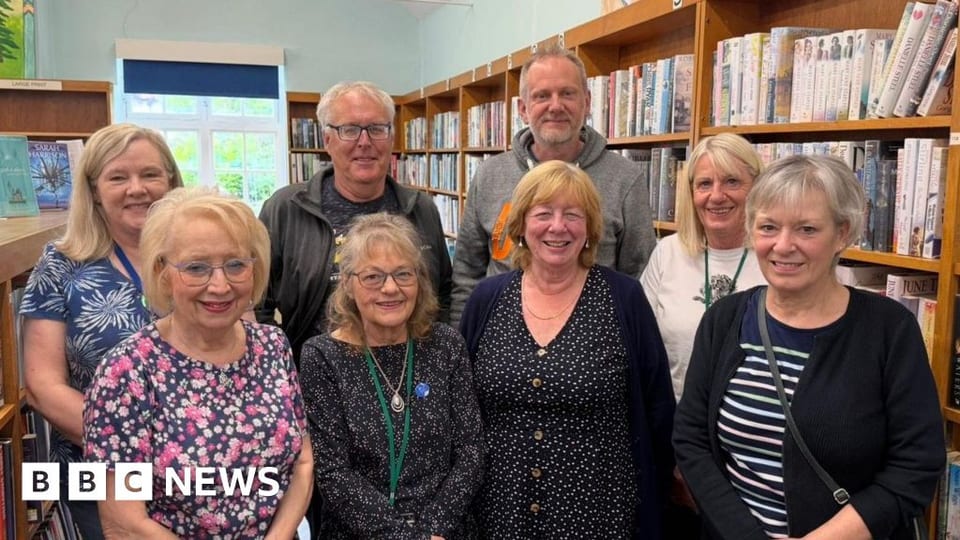
Hull gives a volunteer-run library a 35-year lease so it can plan a rebuild

Hull City Council has approved a 35-year community asset transfer for Anlaby Park Community Library, which volunteers saved from a 2013 closure and have run since a 2014 lease. Chair Steve Ashton said the longer term lets the trustees plan a refurbishment and treat the building as a hub, not only keep the doors open. Between 60 and 80 volunteers staff it. The council is paying for the exterior work, and the volunteers raised the money for the interior. The job started in September and is due to finish next year. During the works the library is running a reduced service from a temporary building in the park.

A long lease lets a volunteer library borrow, repair, and plan, instead of wondering each year whether it will still be there.

The building is mid-renovation, so the full reopening is still ahead.

BBC News ↗· Oct 14, 2026

Image: University of Bristol

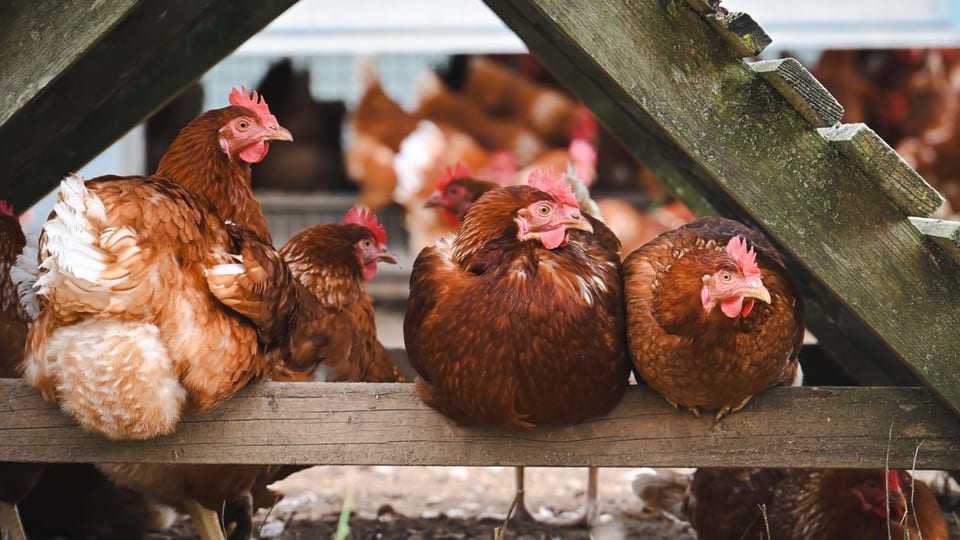
Bristol scientists find a chicken immune cell that could steady flock vaccines

University of Bristol and Pirbright Institute researchers report, in the European Journal of Immunology, the first clear look at a chicken immune cell that behaves like the natural killer T cells mammals use for a fast response. The cells switch on only when they see both a fat molecule called GM3 and an alarm signal from other immune cells. Once on, they call in help against bacteria such as Salmonella and E. coli and can also destroy virus-infected cells. Senior author Shahriar Behboudi said the find changes how the bird immune system is understood. Co-author Nitin Kamble said the pathway looks shared across breeds, so a vaccine that includes a lipid such as GM3 might protect a flock more evenly.

Poultry vaccines do not always work the same way from breed to breed. A shared immune target is a practical place to start.

A laboratory discovery, not a vaccine tried in a flock. Less reliance on antibiotics is a hope the researchers stated, not a result of this study.