 Image: The Better India
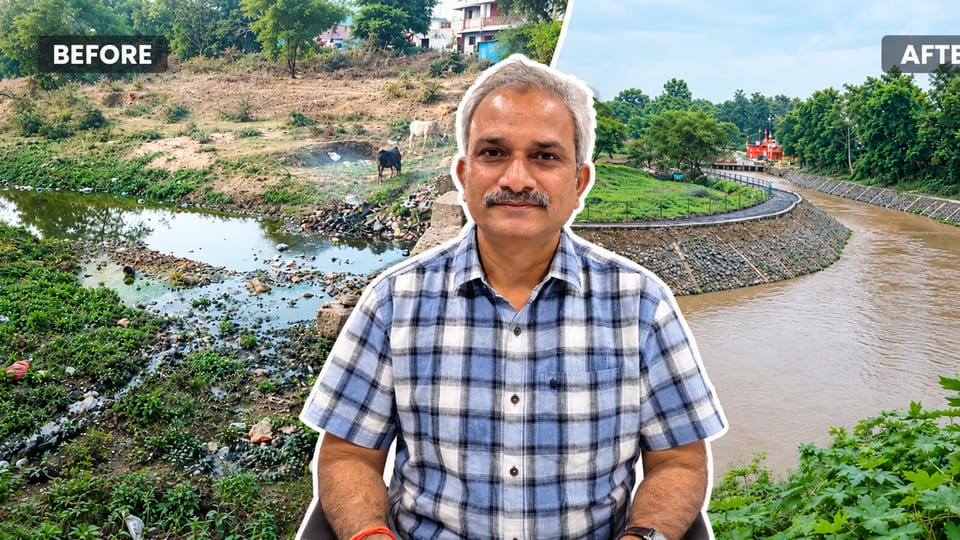
Villages along a Madhya Pradesh stream cleared its banks and filtered its drains, and fish are back
The Better India reported on the Singri, a 39.6 km tributary of the Narmada that runs past Narsinghpur in central India and had become a sewage drain. Starting in February 2026, IAS officer Gajendra Singh Nagesh routed the work through village councils rather than government departments: 26 small projects, about Rs 4.8 crore in all, finished in four months before the monsoon. Villagers joined in voluntary labour, banks were cleared and stone-pitched along about 2,000 metres, and simple gravity-fed filters with gravel, sand, and plants now catch waste where village drains meet the river. Households sort their rubbish, and self-help groups lend out sets of steel plates so festivals skip disposables. Nagesh says fish have returned after decades, and older residents now sit along a 600-metre riverfront with a hall, a cafe, and an open-air theatre.
When the people who live beside a river do the work, they are also the ones who keep it clean afterwards.
Nagesh says the water is not yet within safe limits; only some of the six planned filters are working, and drains are still connected. The 80% cut in waste and the return of fish are his estimates, not independent measurements.