← Archive

2026-10-30

October 30, 2026

Published this day

Image: The Guardian

Wildlife Trusts raise £30 million, much of it from the public, to buy Northumberland's Rothbury estate

The Guardian reported on 30 October that the Wildlife Trusts have raised £30 million to buy the Rothbury estate in Northumberland, and that the purchase can now go ahead. The campaign opened two years ago after Max Percy, the Duke of Northumberland's youngest son, put the land up for sale. At more than 3,800 hectares, nearly 15 square miles, it is an area the paper compares to Athens, and the largest piece of land in single ownership to come up for sale in England in more than 30 years. About 25,000 people gave £17 million. The National Lottery Heritage Fund gave £5 million, foundations and philanthropists gave more, and the government this week pledged £1.94 million. David Attenborough, who had backed the appeal, thanked the public on Friday and said the land could be a place where nature, community, farming, and heritage sit together. Mike Pratt, chief executive of Northumberland Wildlife Trust, said he felt elated and humbled, and that the public money has to be honoured by letting people get close to wildlife. The ground runs from the Simonside hills through moor, valley woods, the River Coquet, and farm fields. At Lordenshaws, an iron-age hill fort, Pratt pointed to one of England's largest clusters of ancient cup-and-ring marked rocks. The trust hopes to bring back water voles, encourage pine martens already returning on their own, and see more curlew, red squirrels, and mountain bumblebees. The longer hope is a nature corridor of about 40 miles from Druridge Bay on the coast to reserves at the Scottish border. Project manager Sophie Bulgin said volunteers have already been walking through shoulder-high bracken to place sound monitors, and that earthworm counts are coming in a fortnight. Not everyone is pleased. Guy Renner-Thompson, a councillor who chairs Northumberland Conservatives, said farmers on the estate have raised worries about food production, traditional management, and whether their businesses can stay profitable, and that those questions need answers. Pratt said the trust has been working with the farmers and wants wildlife and a working farm business on the same ground.

A moor bought with thousands of small gifts is a landscape neighbors can walk, not only a line on a fundraising page.

The £30 million is the sum raised to buy the estate, not a count of species already recovered. Water voles, more curlew, and the 40-mile corridor are hopes Pratt and the trust described, not results in hand. The farmer concerns are Renner-Thompson's account of what farmers have said. The sale itself is announced as able to proceed; the story does not say the deed has been signed.
The Guardian ↗· Oct 30, 2026

Weekend volunteers in Pune log riverbank trees one by one to help keep them standing

Mongabay reported on 30 October on Pune River Revival, a volunteer group that meets on weekends along the Mula and Mutha rivers in the Indian city with measuring tapes and phones. Volunteers photograph each tree, estimate its height, measure its girth, and log it in the iNaturalist app. Raghunandan Patil said the mapping became systematic in 2024, and that when 529 trees were felled along one road, the group mapped more than 500 trees in a month to gather evidence. The group says its records of the Ram-Mula Devrai, a sacred grove, helped lower the risk of it being heavily developed. The city's chief garden superintendent said citizen data can be considered for the official tree census once it is verified. Sessions end with tea on the riverbank.

A careful list made by neighbours turns a shady riverbank from a feeling into evidence that officials can read.

The group formed partly in opposition to a large riverfront project, so this is advocacy as well as science. The claim about the grove's lower risk is the volunteers' view, and city use of the data depends on verification.

Mongabay ↗· Oct 30, 2026

Image: Mongabay

In Veracruz, mangroves planted on Aztec-style mounds grew into forest, and crocodiles came back too

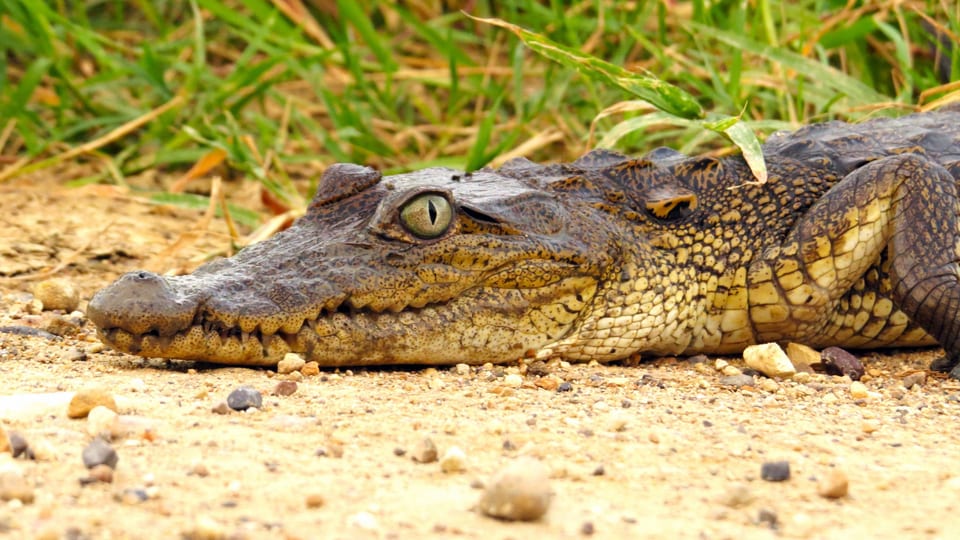
Mongabay reported on REVIVE, a nonprofit restoring mangroves in the Alvarado lagoons of Veracruz, Mexico. Biologist Aníbal Ramírez Soto watched seedlings planted in rows die, then noticed that wild mangroves grew on raised clumps. He began building small soil mounds, which he calls chinampas after the Aztec farming islands. About 2,000 trees were planted on the first mounds; when the team returned, more than 4,000 had taken root, as seedlings floated in on the tide. By the eighth year the canopy covered 80%, and the work has grown to 15,000 mounds over 40 hectares. Since 2017 the team has also released about 80 Morelet's crocodiles, learning from a Colombian project, in the hope that they keep water channels open.

Putting the soil back the way it was let the forest do most of the replanting itself.

The 17 years of results are in a preprint that has not been peer reviewed. A crocodile specialist told Mongabay there is no solid evidence that crocodiles are needed for mangrove health, and the released crocodiles are not formally monitored.

Mongabay ↗· Oct 30, 2026

Image: Smithsonian Magazine
JoyNew

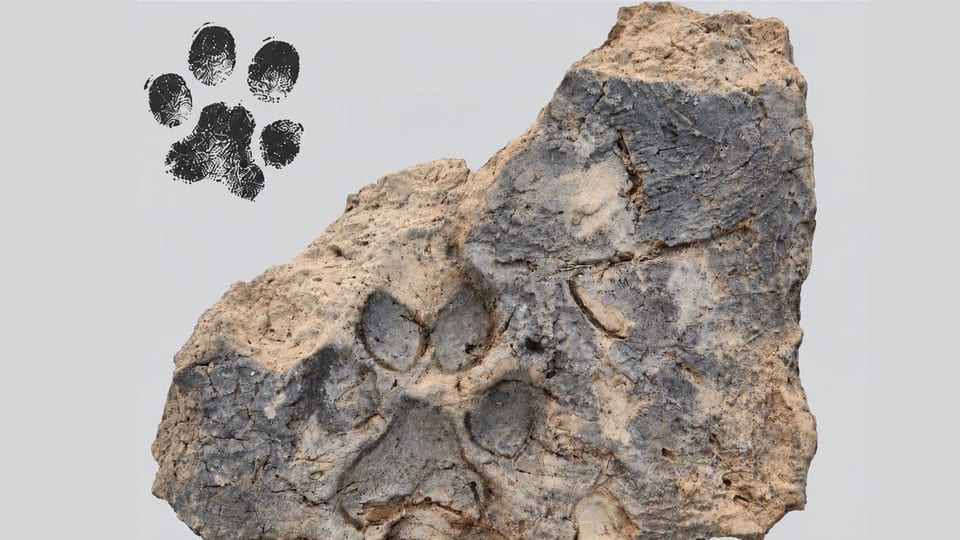
A dog stepped on a drying mud brick 4,000 years ago, and archaeologists in Turkey found the print

Smithsonian Magazine reported that archaeologists from Bilecik Şeyh Edebali University, digging at Tavşanlı Höyük in western Turkey, found a dog's paw print in a mud brick from a Bronze Age house that burned down around 1700 BCE. Builders made such bricks from water, soil, and straw, poured them into moulds, and left them to harden in the sun; as this one dried, a dog walked across it and left four round toe pads behind. Turkish officials announced the find on 26 October. Excavation director Erkan Fidan said dogs were already part of everyday life in Anatolian settlements by then, and called the print a direct and touching glimpse of that bond.

Somebody's dog walked on the wet brick, and four thousand years later it still makes people smile.

The excavation director says nobody can tell whether this dog was a pet in the modern sense. The site was destroyed in an attack, so the house that held the brick has a grim end.

The Hirshhorn's sunken sculpture garden on the National Mall reopens after a four-year renovation

Smithsonian Magazine previewed the 1.3-acre Hirshhorn Sculpture Garden in Washington, D.C., which reopened to the public on Saturday, 31 October after work that began in 2022. Japanese artist and architect Hiroshi Sugimoto redesigned it as a quiet place for contemplation, with trees and flowers, a reflecting pool, a stage, and ramps for wheelchair users. The way in is lined with steel panels whose funhouse reflections drop from adult height to child height. Henry Moore's King and Queen and Rodin's Burghers of Calais, now set low as Rodin wanted, sit among chocolate cosmos. A 28-foot steel swimming pool stood on end, by Elmgreen & Dragset, greets visitors from the Mall, and Yoko Ono's Wish Tree is back, with tags for visitors' wishes in the warmer months.

A shaded garden in the middle of a busy city gives anyone a place to slow down among great sculpture.

This is the museum's own magazine writing about a Smithsonian site, so it reads partly as a preview tour. The wish tags return in the warmer months, not now.

Image: ScienceDaily (INRAE)

Young poplars straighten their bent stems by growing a second set of muscle-like wood

ScienceDaily carried a release from INRAE, France's national agricultural research institute, on a study in New Phytologist. Plants can sense their own shape, but it was not clear how that sense becomes movement. Researchers laid young poplars on their sides until the stems curved upward, then moved them onto a slowly turning platform inside a sphere lit evenly from all sides, so the trees had no steady cue from gravity or light. The stems straightened over the following weeks. The pulling wood on the upper side stopped forming, and the same kind of wood began to grow on the opposite side, working like a pair of opposing muscles. The team says this could help breed straighter trees and cereals that are less likely to flatten before harvest.

Even a sapling has a quiet way of knowing when it is leaning and setting itself right.

This was a lab study on young poplars in an artificial setup. The uses for timber and crops are possibilities the researchers suggest, not results yet.

The edition Today's Five, then the rest of the file

This morning's file includes stories published earlier in the week. Headlines open the original article. Open the issue page.

Image: New Times San Luis Obispo

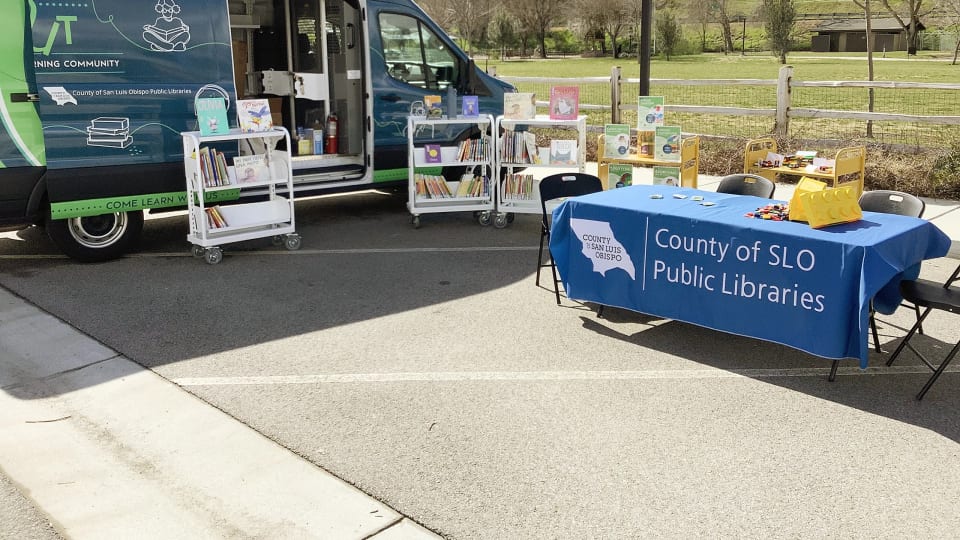
San Luis Obispo County's library vans now set up in two parks with books to borrow

New Times San Luis Obispo reported on 29 October that the county's Branch Out vans have made park stops a regular part of the route. Since 21 October, visitors at Templeton Park can browse, check out, return, and sign up for a card during the Saturday farmers market, from 9:30 a.m. to noon at 550 Crocker Street. At DeVaul Park, 1651 Spooner Drive, the van comes on the second and third Saturdays of the month, from 3 to 4 p.m. Erica Thatcher, who handles the library's marketing, described a pop-up tent and carts of books, more like a small book fair than a desk behind a door. Templeton has its own community library but no county branch, and about 1,600 people there already hold county cards. DeVaul sits in a neighborhood well away from the downtown San Luis Obispo branch. In a survey of more than 600 residents, about 40 percent named being too busy as one of their hardest day-to-day problems, and others named caregiving. The county bought its three outreach vans in 2022 with a California State Library grant. They began with senior living facilities and now also take books to the county jail's library and lead discussions at Juvenile Hall. Thatcher said South County may be next, if the library can find a regular stop where people already are.

A cart of books under a tent at the farmers market is a soft way to borrow something without making a separate trip.

The park schedule is what the library told the paper. The story does not say how many people have used the new stops, or whether South County will get one. The 40 percent figure is from the library's own survey of more than 600 residents, and being busy was one challenge they named, not the only one.

Image: The Guardian

Wildlife Trusts raise £30 million, much of it from the public, to buy Northumberland's Rothbury estate

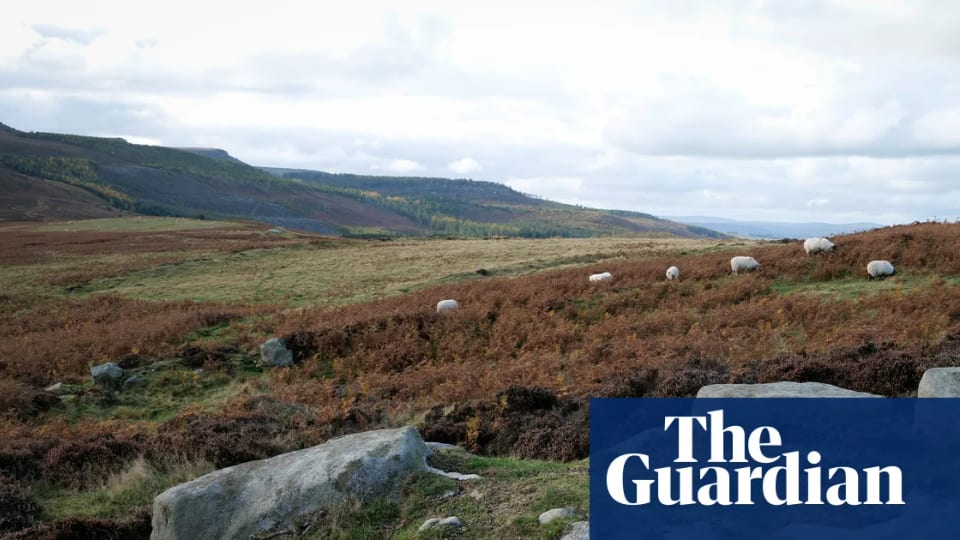
The Guardian reported on 30 October that the Wildlife Trusts have raised £30 million to buy the Rothbury estate in Northumberland, and that the purchase can now go ahead. The campaign opened two years ago after Max Percy, the Duke of Northumberland's youngest son, put the land up for sale. At more than 3,800 hectares, nearly 15 square miles, it is an area the paper compares to Athens, and the largest piece of land in single ownership to come up for sale in England in more than 30 years. About 25,000 people gave £17 million. The National Lottery Heritage Fund gave £5 million, foundations and philanthropists gave more, and the government this week pledged £1.94 million. David Attenborough, who had backed the appeal, thanked the public on Friday and said the land could be a place where nature, community, farming, and heritage sit together. Mike Pratt, chief executive of Northumberland Wildlife Trust, said he felt elated and humbled, and that the public money has to be honoured by letting people get close to wildlife. The ground runs from the Simonside hills through moor, valley woods, the River Coquet, and farm fields. At Lordenshaws, an iron-age hill fort, Pratt pointed to one of England's largest clusters of ancient cup-and-ring marked rocks. The trust hopes to bring back water voles, encourage pine martens already returning on their own, and see more curlew, red squirrels, and mountain bumblebees. The longer hope is a nature corridor of about 40 miles from Druridge Bay on the coast to reserves at the Scottish border. Project manager Sophie Bulgin said volunteers have already been walking through shoulder-high bracken to place sound monitors, and that earthworm counts are coming in a fortnight. Not everyone is pleased. Guy Renner-Thompson, a councillor who chairs Northumberland Conservatives, said farmers on the estate have raised worries about food production, traditional management, and whether their businesses can stay profitable, and that those questions need answers. Pratt said the trust has been working with the farmers and wants wildlife and a working farm business on the same ground.

A moor bought with thousands of small gifts is a landscape neighbors can walk, not only a line on a fundraising page.

The £30 million is the sum raised to buy the estate, not a count of species already recovered. Water voles, more curlew, and the 40-mile corridor are hopes Pratt and the trust described, not results in hand. The farmer concerns are Renner-Thompson's account of what farmers have said. The sale itself is announced as able to proceed; the story does not say the deed has been signed.
The Guardian ↗· Oct 30, 2026

Image: ABC News

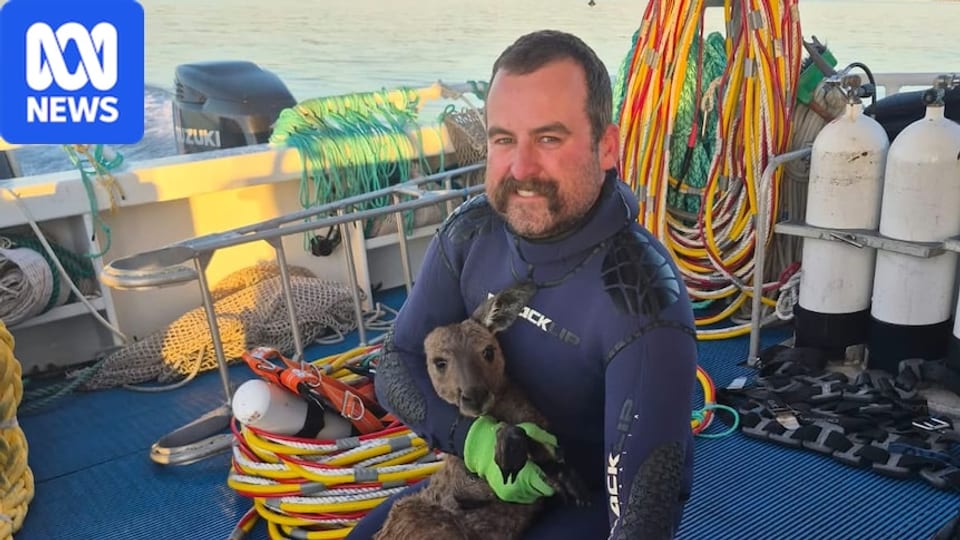
A Port Lincoln crew lifts an exhausted kangaroo out of Boston Bay, about three kilometres from shore

ABC News reported on 21 October that a crew on Boston Bay, off Port Lincoln in South Australia, turned the boat around after skipper Ryan Smith said he thought he saw a kangaroo in the water. Diver and farmer Jake Murray said nobody believed it until they doubled back. The male kangaroo was about three kilometres offshore. The boat's sea door drops nearly to the water, so the crew could get under his arms and bring him aboard. Murray held the hind legs, which he called mighty, and said the animal was waterlogged enough to seem almost asleep in his arms. Miguel Villarroel, a diver from the Galapagos Islands who was on the boat, was seeing a kangaroo for the first time and asked if this happened often. Murray said he had seen kangaroos in the shallows and at surf beaches, never in the middle of the bay. He guessed the flat calm might have let a tide carry the animal out, and he also joked that it might have been a young one showing off. Back on the beach the kangaroo sat, then hopped away.

A tired animal asleep in someone's arms, then gone into the scrub, is a small glad ending to a strange morning.

How the kangaroo got that far out is Murray's guess, including the joke about a dare, not something the crew saw happen. ABC does not name the day of the rescue beyond "this week" as of 21 October, or say anyone checked the animal afterward. The distance is Murray's estimate of about three kilometres.

ABC News ↗· Oct 21, 2026

Image: McGill University Health Centre

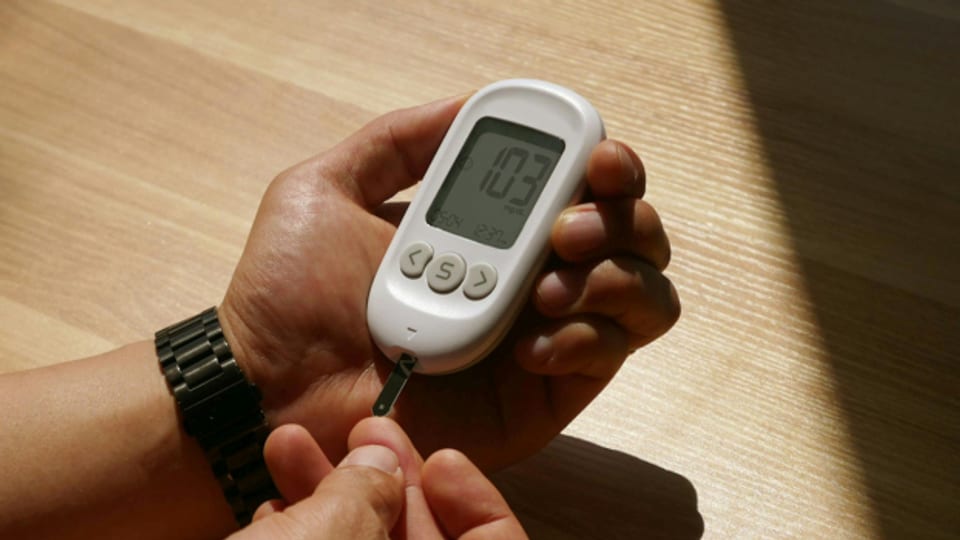
A low-calorie diet plus supervised exercise put early type 2 diabetes into remission for 27 of 50 younger adults

The McGill University Health Centre wrote on 23 October about RESET for Remission, a trial led by Kaberi Dasgupta at the centre's research institute and Tom Yates at the University of Leicester, published in The Lancet Regional Health – Americas and presented at the European Association for the Study of Diabetes meeting in Milan. The trial enrolled 96 adults aged 18 to 45 who had type 2 diabetes and obesity and were not using insulin, at centres in Montreal, Edmonton, and Leicester. For 12 weeks, 50 of them ate 800 to 900 calories a day, mostly meal-replacement shakes and bars, and did aerobic and strength work twice a week with a supervisor and once on their own. For the next 12 weeks they moved to ordinary food meant to hold the loss, and kept exercising on their own. Remission meant blood sugar below the level used to diagnose diabetes, with no diabetes medicine for at least 12 weeks. Twenty-seven of the 50, 54 percent, reached that mark. Two of the 46 people in usual care did, about 4 percent. The centre said the programme group lost about 7.5 kilograms more than usual care, and that the loss was fat while fat-free mass held. Fitness rose about 10 percent relative to body weight, grip got stronger, and blood pressure and resting heart rate fell. They also reported fewer symptoms of low mood, less distress tied to diabetes, and a better quality of life. Early side effects, including constipation, headache, dizziness, and fatigue, eased. The paper, as the centre describes it, recorded no serious adverse events.

A few months of structured meals and someone counting the repetitions is a route back that does not start in an operating room.

This is six months in 96 people, not a cure and not a result for everyone with type 2 diabetes. There was no diet-only group, so the trial cannot separate the exercise from the calories or from the extra time with staff. It was open-label. People who needed insulin were not included. Follow-up stopped at 24 weeks, so the centre cannot say the remission lasts once the structure ends. The 7.5 kilogram figure is the centre's account of the adjusted difference.

Image: AuroraToday

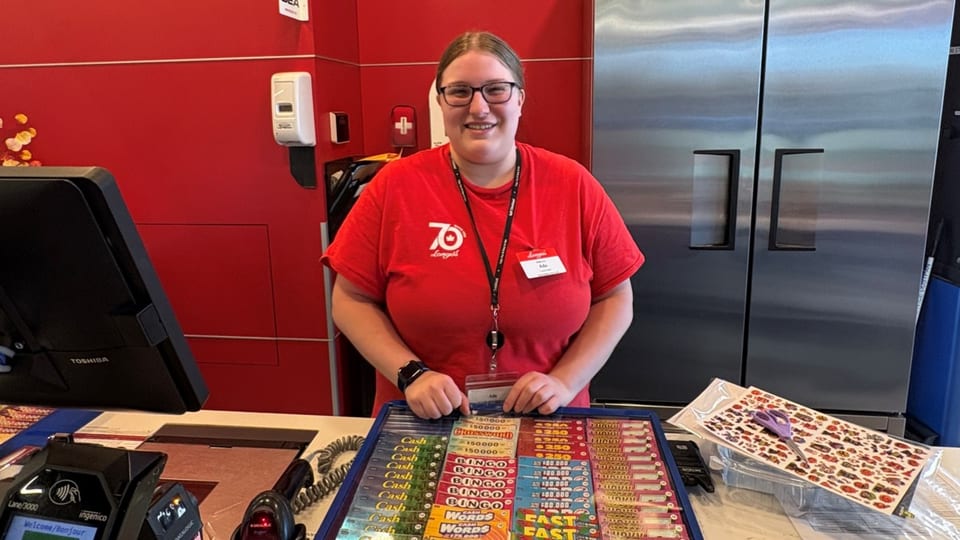
A Longo's cashier in East Gwillimbury paid about $150 so a mother and her toddler could take the groceries

AuroraToday reported on 24 October that Gina Coleman and her toddler, staying at a Yellow Brick House shelter, took gift cards to the Longo's at 18319 Yonge Street in East Gwillimbury, on Newmarket's border. At the till, cashier Ada Everingham, who lives in Newmarket, had to say the cards were for a different grocer and the store could not take them. Coleman told reporter Alex Hunt she felt embarrassed and did not have the money. Everingham then paid about $150 on her own debit card. Coleman called it a miracle and cried. She said the moment mattered past the total, because hardship can make a person wonder what they are worth. Everingham said she and her mother had been short of food when she was younger and had used gift cards themselves, and that she would have wanted someone to do the same. She said one good deed is not the end of the world, and that Coleman's reaction made her cry too. Coleman later left a message with the store's guest care team. She and her daughter have also been given a townhouse through a transitional housing programme and are preparing to move to Belleville on 16 November. Coleman said the two of them had always had to sleep together, and that her daughter will now have her own bed.

A bill paid at the belt means dinner comes home, and a hard afternoon does not end in an empty bag.

The checkout story is Coleman's and Everingham's, as Hunt reported it on 24 October. The paper does not give the day of the shop itself, or a receipt. The townhouse and the 16 November move are separate news Coleman shared. The article does not say the $150 caused the housing.

AuroraToday ↗· Oct 24, 2026

Image: Mongabay

Kites and spinning-eye buoys lowered the odds that Cornish gillnets caught guillemots and razorbills

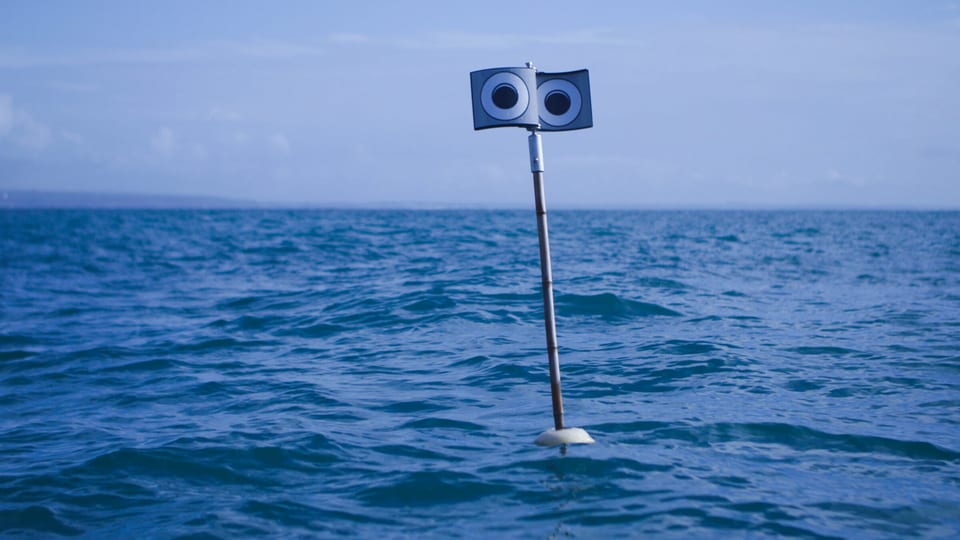
Mongabay reported on 27 October on a Conservation Letters study led by Tom Horton, a research fellow at the University of Exeter, with fishers off Cornwall. Between October 2023 and March 2025, ten fishers set 1,057 nets, about 129 kilometres in all, in pairs at least 200 metres apart: one net with a deterrent, one without. Cameras and GPS recorded every haul. Nets with a kite shaped like a bird of prey had 71 percent lower odds of catching an auk, the family that includes guillemots and razorbills. Nets with a looming-eye buoy, a pole whose spinning head carries a pair of large eyes, had 59 percent lower odds. The nets still brought up 191 animals that were not fish: 153 birds, 25 seals, and 13 dolphins or porpoises. Guillemots and razorbills were nearly three-quarters of that toll, and almost all were dead when the net came in. Horton told Mongabay the clarity of the result surprised him. Bycatch piled up in January and February, in nets for sea bass and mackerel. Yann Rouxel of the Royal Society for the Protection of Birds, a co-author, said gillnets have been a hard gear to make safer. The kites worked better within about 30 metres and struggled in very light wind and in strong wind. The buoys were easier to handle. Fifteen seals came up in buoy nets, against six in plain nets and four in kite nets, which the authors say needs more testing. A separate 2026 trial in Denmark found the buoys' effect on birds at a fixed trap faded within about a month. An earlier trial of the eye buoys in Iceland's lumpfish fishery did not cut bycatch.

A scarecrow that floats can keep a winter net fishing while fewer diving birds go down with it.

The odds are for auks in this Cornwall trial, not a promise for every seabird or every fishery. The Iceland trial of the same buoys did not help, and the Danish test suggests birds can learn to ignore them. The seal counts are a hint, not proof the buoys draw seals in. A 2024 review cited by Mongabay, that gillnets in the Baltic and Northeast Atlantic kill more than 95,000 seabirds a year, is background, not a result of these devices. The journal date is earlier than Mongabay's 27 October writeup.

Mongabay ↗· Oct 27, 2026

Image: Positive News

A cocoa farmer on Ghana's Atewa hills grows her trees in the shade and keeps the forest standing

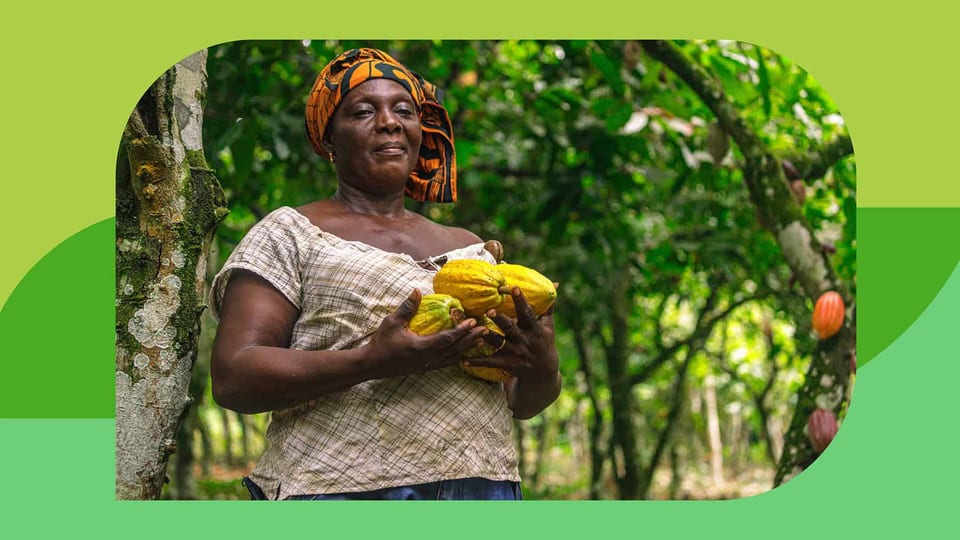
Positive News reported on 22 October on Susana Afrifa Ankrah, 62, a cocoa farmer, mother, and grandmother on the Atewa Range in south-eastern Ghana. She told the magazine the forest cools the land, brings the rain the crops need, shelters fish along the banks, and supplies local herbalists. She is vice-chair of the management board for the Atewa hotspot under the Ghana Cocoa Forest REDD+ Programme, run by the Forestry Commission and the Cocoa Board, which trains farmers to raise cocoa without clearing new forest and pays for measurable progress against forest loss through World Bank climate finance. She joined soon after the programme began in 2019. She said her village had already looked after the forest, and that the change she can point to is what she calls circular farming: they used to clear and burn, and now they compost and use organic fertiliser so the same land yields more beans. Hybrid seed grows under a canopy. She plants African mahogany between the cocoa, along with mango, avocado, and coconut, and says her plants do better out of the full sun. Asked how much her margins improved, she paused and said about 80 percent. With advice from the programme she has also opened a daycare and a bakery that employ 17 people. The programme has supplied tools, from cutlasses to boots. The piece is one portrait in a series, and it also describes rangeland work in southern Kenya, mangrove restoration in Senegal's Saloum Delta, and a World Food Programme project in southern Zambia that are not her farm.

Cocoa left under the canopy is a harvest that does not begin by cutting the hill bare.

The 80 percent and the 17 jobs are Susana's own account to the reporter, not an audit. The programme launched in 2019, so this is a portrait of work already underway, not a new result published this week. Positive News notes the series was supported by a storytelling grant from Jamma Conservation & Communities, and that the views are the writer's. Shade-grown yields "as good or better" are the article's general claim about the method, with Susana's plants as her own experience. Some farmers, the piece says, remain sceptical.

Positive News ↗· Oct 22, 2026

At an Irish university, students who felt they belonged also reported better wellbeing

Health Promotion International published a paper on 27 October from researchers at South East Technological University, including Niamh O'Brien. They surveyed students at the university's several campuses in Ireland's south-east. Of 481 replies, 409 remained after screening. The questionnaire, open through November and December 2025, used established scales for mental wellbeing, belonging at university, loneliness, and social connectedness. Low wellbeing showed up in 44.1 percent of students, and elevated loneliness in 55.4 percent. Wellbeing moved with belonging (a correlation of 0.51) and with social connectedness (0.45), and in the other direction with loneliness (minus 0.41). In a model that also accounted for who the students were and how they got to campus, belonging was the strongest predictor of wellbeing. Loneliness and wellbeing were also tied together indirectly, through belonging: students who felt lonelier tended to feel they belonged less, and that gap lined up with lower wellbeing. Women, sexual-minority students, first-years, and students who said the commute kept them from taking part reported poorer scores on some of the measures. The authors argue that belonging is not only a private feeling. It is something a campus can make easier or harder, through culture, schedules, and whether a commuter can actually join in.

A campus that leaves room to be included is a quiet kind of care, closer to a seat saved than to a poster about coping.

The survey is a snapshot at one university, recruited by convenience through the students' union, email, and posters, so it cannot show that belonging causes the wellbeing, or speak for every campus. Answers were gathered in late 2025. The 44.1 percent with low wellbeing and 55.4 percent with elevated loneliness are the difficult half of the result, not a success rate.