← Archive

2026-10-25

October 25, 2026

Published this day

Image: BBC News

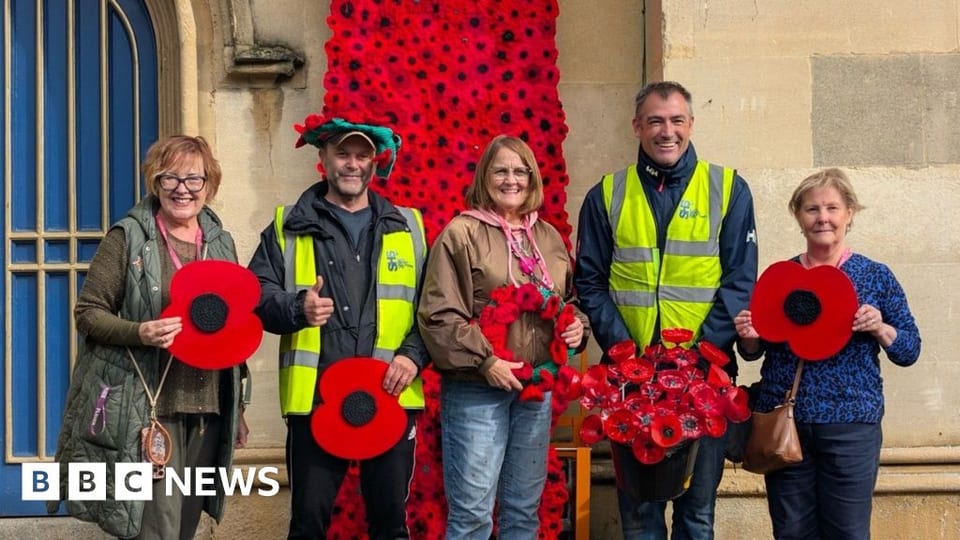
Schools and care homes in Windsor filled a church with about 20,000 handmade poppies

The Windsor Community Poppy Project opened on Friday at the parish church of St John the Baptist and stays up until 15 November. Craft Coop led it. Schools and care homes were among about 40 groups that took part. Organisers had expected something nearer 10,000 poppies. Heidi Berry, the coop's director, said thousands of volunteers pushed the count to about 20,000, and that the display grew past what they had pictured. An elephant sculpture called Windsor Hurricane, on loan from Martin-Baker, stands with the poppies in memory of aircraft designer Sir Sydney Camm and his tie to the church. Staff from Safe Height Solutions gave their time to hang the outdoor part in rough weather. Craft Coop calls this a first step toward a remembrance trail through the town, and hopes to host the Longest Yarn exhibition at the church in 2027.

A paper poppy made at a school table or in a care home is a quiet way to remember, and a reason for neighbors to walk into the same room.

The count of about 20,000 poppies, and the word thousands for the volunteers, come from the organisers. The wider remembrance trail and the 2027 exhibition are hopes, not openings.
BBC News ↗· Oct 25, 2026

Image: ABC News (Australia)

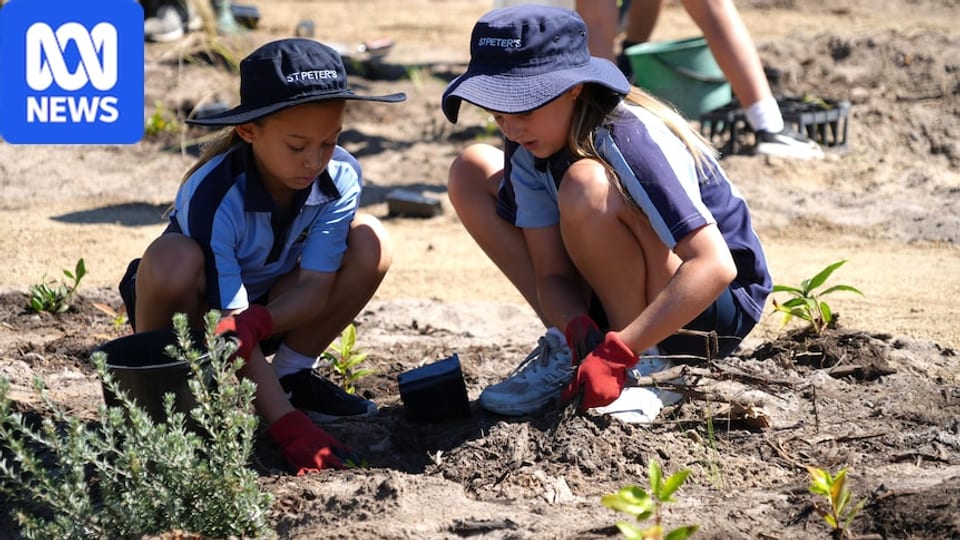
Year 4 students in Broulee spent a week planting a tiny rainforest in the schoolyard

Students at St Peter's Anglican College in Broulee, on the New South Wales far south coast, have spent the past week turning a bare patch of playground into a microforest. With the nonprofit Microforest Collective, they put in about 1,000 plants from the region's endangered coastal littoral rainforest: trees, shrubs, and climbers. Year 4 student Zale Neal said they were trying to bring back species lost in the 2020 bushfires, and that the planting felt calming. It is the first school in the state to build a microforest into the curriculum with the collective. Landscape architect Edwina Robinson said the Miyawaki method packs local species close together so they grow faster, and she expects the planting to reach about 7 metres in two or three years. About 40 metres of trenches lined with clay are meant to hold rain in the sandy soil. Teacher Danielle Phillips said the class measured the bed, worked out mulch, and practiced how to keep going when the work got hard. Chair Jo Abbott said the collective is writing templates so another school can pick the idea up.

A class that plants the shade they will sit under later has a patch of the schoolyard that is already theirs.

The headline says 1,000 trees. The story itself counts about 1,000 native plants, including shrubs and climbers. The height and the faster growth are the landscape architect's expectations for this method, not a measurement of this bed. The templates for other schools are still being prepared.

Image: BBC News

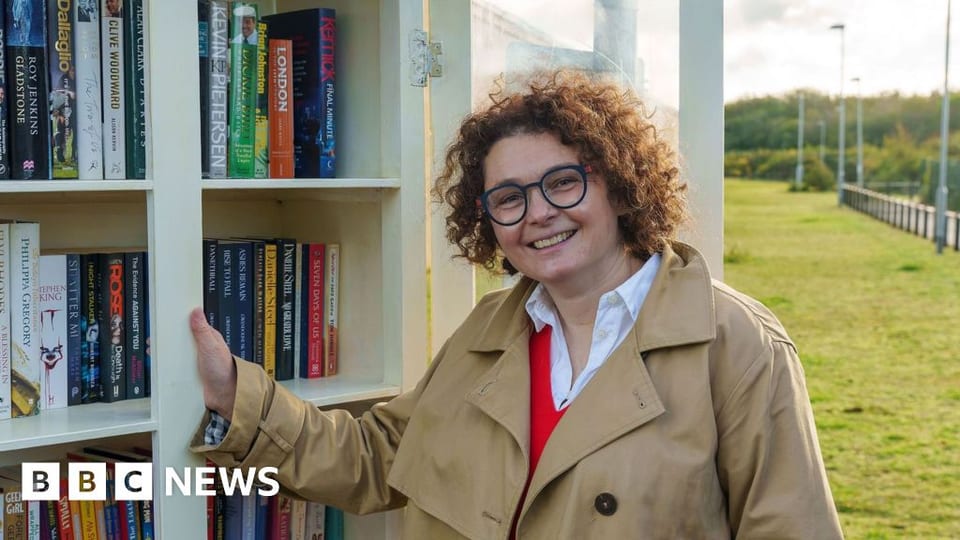
People in prison at Peterborough built ten little libraries for the city

Men and women at HMP Peterborough designed, built, and decorated ten wooden book boxes that can stand outside in the weather. The prison worked with voluntary librarian Catherine Galloway and the Cambridge charity Abbey People. Labour MP Andrew Pakes unveiled the first box outside the prison. The others are still to be placed around the city, including one at Outside Links, a hub the prison runs for people who have left. Galloway said free books, put where people already are, change literacy, and that having the prison make them changes the story for the people building them. She and other volunteers began a book-box network in Cambridge's Abbey ward in 2020, part of the Little Free Library idea that started in Wisconsin in 2009. She wants 50 new boxes in Cambridgeshire for the UK National Year of Reading 2026. The prison's head of education, Andrew Barringer, said the makers were proud to help with something they recognized from their own lives. The prison cited Ministry of Justice figures that 57 percent of adult prisoners in England and Wales have literacy below the level expected of an 11-year-old.

A box of free books on a street corner is a small public room, and the people who built these ones are part of the city they are for.

Only the first box has been unveiled. The rest are planned, not yet on their corners. The literacy figure is a national prison statistic, not a count of the people who built the boxes. The claim that the boxes will lift literacy is Galloway's, not a measured result.

BBC News ↗· Oct 25, 2026

Image: The Guardian

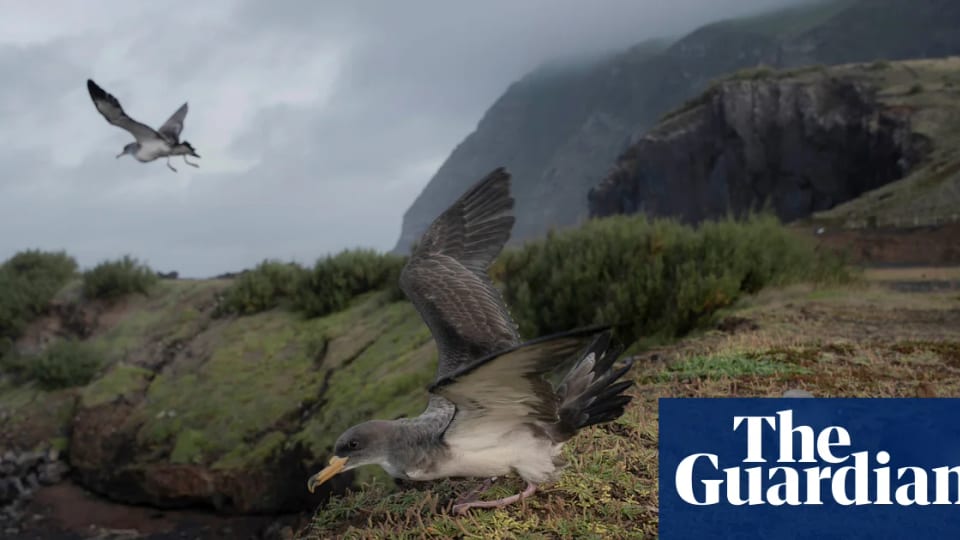
Corvo switches off its streetlights so young shearwaters can follow the stars out to sea

Each autumn the smallest island in the Azores goes dark for five nights. Since 2019, Corvo's roughly 450 people have switched off the public lights so fledgling Cory's shearwaters can leave the nest and aim for the ocean by the stars. The young birds spend about three months in the burrow before that first flight. Streetlights pull many of them into the lanes of Vila do Corvo instead. Neighbours have been walking those lanes since 1991, when the deaths became too many to ignore. In 1995 the Azorean government widened the rescue, called SOS Cagarro, to the other islands, and the Portuguese Society for the Study of Birds later joined. Corvo is still the only island that blacks out the public lighting. Household lamps can stay on. Many people turn those off too. A bird that has landed in the street spends the night in a cardboard box and is let go the next day from a cliff above the water. The campaign says more than 30,000 fledglings have been picked up across the Azores since 2015, about 6,000 of them on Corvo.

A dark village and a cardboard box are enough to give a lost chick a second try at the sea.

The rescue totals are the campaign's. The photo essay documents a blackout the island has repeated every autumn since 2019. It does not give this year's count. Cats still hunt chicks, and the story does not claim the lights-out nights have ended those deaths.

The Guardian ↗· Oct 25, 2026

Image: ScienceDaily (University of Michigan)

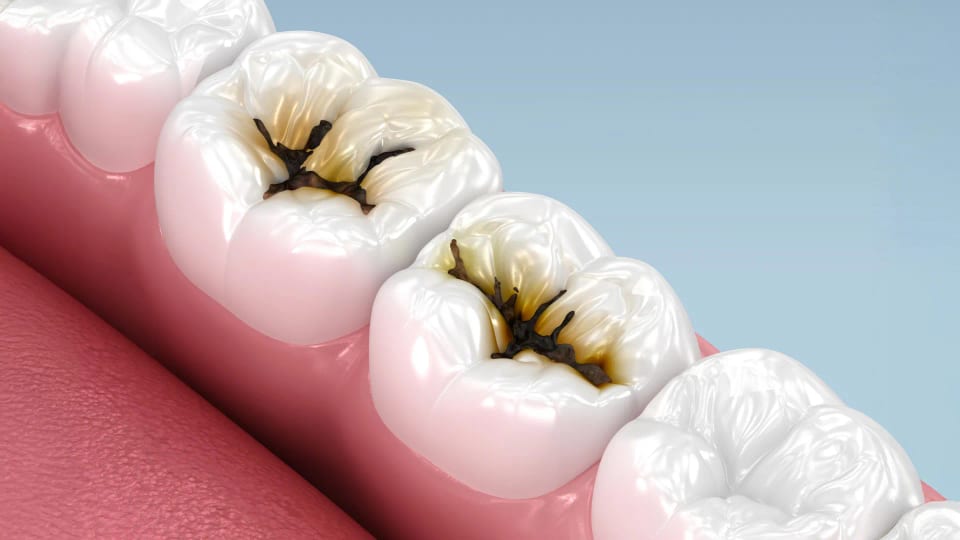
A liquid painted on a baby tooth stopped decay in more than half of the cavities in a large trial

ScienceDaily wrote on 25 October about a phase 3 trial of silver diamine fluoride, a liquid a dentist paints onto a cavity in seconds, with no drill, no injection, and no sedation. Researchers led by the University of Michigan enrolled 830 children younger than 6, through dental clinics, pediatric offices, and Head Start programs in Michigan, New York, and Iowa. Applied at six-month intervals, a 38 percent solution stopped decay in more than half of the treated baby teeth. Lead investigator Margherita Fontana called the treatment effective and safe even for children as young as 1. The silver stains the decayed part of the tooth black, which shows most on front teeth. It does not rebuild what has already been lost. It is meant to keep the damage from spreading. In the United States the FDA cleared the liquid in 2014 as a device for tooth sensitivity, and dentists have used it off label for cavities. Co-principal investigator Amr Moursi said the trial gives a manufacturer evidence for an application asking the FDA to approve it as a drug that arrests decay. That approval is not in hand.

A few seconds with a tiny brush can spare a small child a drill, if a family can live with a dark spot on a tooth that will fall out.

ScienceDaily's page is dated 25 October. The paper is in JAMA Pediatrics; the National Institutes of Health dates that publication to 27 July 2026, so this is a later writeup of the same trial. More than half is not every cavity, and the black stain is permanent on the decayed part. This is not an FDA approval for treating cavities, and it is not something a person paints on at home.

Two Florida teachers put a bench and a little library where a girl waits for her bus

People reported that Maren Douglass, 44, and her husband, both teachers in Florida, were in hospital for his cancer treatment in early September when their security camera showed a high schooler sitting at the edge of their driveway each morning, waiting for her school bus beside a busy road. They ordered a bench from the hospital, put it together when they got home, and chained it to a basketball pole so nobody would think it was rubbish. The girl gave a little jump of joy when she saw it, then left a handwritten note saying she no longer had to worry about dirt and bugs. Because she was often reading, Douglass built and painted a small library box beside the bench, and other neighbourhood children now borrow and return books. The couple have since added an umbrella for rainy mornings and some of her favourite snacks; she replied with two homemade cookies.

A seat, a shelf of books, and a note back: a whole friendship built at the end of a driveway.

The account comes from Douglass and the couple's own videos; the girl and her family are not named or quoted. Some retellings call her a middle schooler, but People says she is in high school.

People ↗· Oct 25, 2026

The edition Today's Five, then the rest of the file

This morning's file includes stories published earlier in the week. Headlines open the original article. Open the issue page.

Image: BBC News

Schools and care homes in Windsor filled a church with about 20,000 handmade poppies

The Windsor Community Poppy Project opened on Friday at the parish church of St John the Baptist and stays up until 15 November. Craft Coop led it. Schools and care homes were among about 40 groups that took part. Organisers had expected something nearer 10,000 poppies. Heidi Berry, the coop's director, said thousands of volunteers pushed the count to about 20,000, and that the display grew past what they had pictured. An elephant sculpture called Windsor Hurricane, on loan from Martin-Baker, stands with the poppies in memory of aircraft designer Sir Sydney Camm and his tie to the church. Staff from Safe Height Solutions gave their time to hang the outdoor part in rough weather. Craft Coop calls this a first step toward a remembrance trail through the town, and hopes to host the Longest Yarn exhibition at the church in 2027.

A paper poppy made at a school table or in a care home is a quiet way to remember, and a reason for neighbors to walk into the same room.

The count of about 20,000 poppies, and the word thousands for the volunteers, come from the organisers. The wider remembrance trail and the 2027 exhibition are hopes, not openings.
BBC News ↗· Oct 25, 2026

Image: ABC News (Australia)

Year 4 students in Broulee spent a week planting a tiny rainforest in the schoolyard

Students at St Peter's Anglican College in Broulee, on the New South Wales far south coast, have spent the past week turning a bare patch of playground into a microforest. With the nonprofit Microforest Collective, they put in about 1,000 plants from the region's endangered coastal littoral rainforest: trees, shrubs, and climbers. Year 4 student Zale Neal said they were trying to bring back species lost in the 2020 bushfires, and that the planting felt calming. It is the first school in the state to build a microforest into the curriculum with the collective. Landscape architect Edwina Robinson said the Miyawaki method packs local species close together so they grow faster, and she expects the planting to reach about 7 metres in two or three years. About 40 metres of trenches lined with clay are meant to hold rain in the sandy soil. Teacher Danielle Phillips said the class measured the bed, worked out mulch, and practiced how to keep going when the work got hard. Chair Jo Abbott said the collective is writing templates so another school can pick the idea up.

A class that plants the shade they will sit under later has a patch of the schoolyard that is already theirs.

The headline says 1,000 trees. The story itself counts about 1,000 native plants, including shrubs and climbers. The height and the faster growth are the landscape architect's expectations for this method, not a measurement of this bed. The templates for other schools are still being prepared.

Image: MPR News

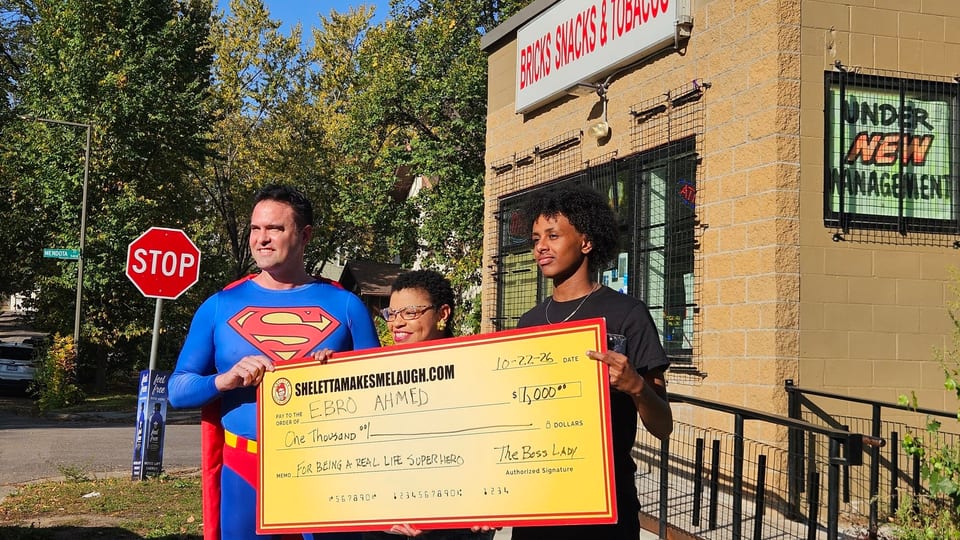
A St. Paul shop worker stopped a school bus after the driver had a medical emergency

On Monday afternoon, Ebro Ahmed, 27, was outside his family's corner store, Ya Bricks Snacks and Tobacco, in St. Paul's Dayton's Bluff neighborhood, kicking a soccer ball on a slow shift. A school bus rolled past with the door open and the crossing arm out. He said the driver appeared to be having a medical emergency. Store video shows him running for the bus. He had never driven one. He told MPR News he first put it in reverse, then into neutral, and pulled the parking brake. A student called the police. Ahmed counted 19 students who looked like middle schoolers. St. Paul police said there were no reported injuries. Paramedics took the driver, who was resting at home as of Wednesday, the school district said. Another bus took the remaining students. The school's mental health team checked in with them the next day. On Thursday, media maker Sheletta Brundidge brought Ahmed a $1,000 check at the shop. He said he plans to put it toward a window-tinting venture, and that he hopped on because of a line from his Muslim faith: saving one life is like saving the world.

Fifteen seconds from someone on a break was enough to stop a bus full of children and stay with the driver until help arrived.

The 19 students and the sequence of reverse, neutral, and the parking brake are Ahmed's account, backed by the store video as MPR describes it. Some other reports put the number of children at 18. The district confirmed no reported injuries and that the driver was home by Wednesday. It did not release a medical diagnosis.

MPR News ↗· Oct 23, 2026

A pancreatic cancer vaccine woke an immune response in nearly every patient who could be measured

Mayo Clinic researchers report a phase 2 trial of an experimental vaccine aimed at seven common mutations in KRAS, a gene altered in about 90 percent of pancreatic ductal adenocarcinomas. Unlike a vaccine built from one person's tumor, this one is made in advance for anyone whose cancer carries a mutation it targets. The study, published in Nature Medicine, enrolled 144 people with stage 1 to 3 disease who had already had surgery and chemotherapy and had no cancer visible on scans. Ninety-six received the vaccine and 48 were observed. The trial missed its main goal. Median time before the cancer returned was 23.8 months with the vaccine and 21.2 months without it, a gap that was not statistically significant. Of 90 vaccinated patients who could be checked, 89 showed a stronger T-cell response against mutated KRAS. In an exploratory look, people with the stronger responses stayed free of disease longer. Signals also showed up in people with no tumor DNA detectable in the blood at the start, and in people who had not had radiation. Lead author Ben George said the immune response is a clue for a larger phase 3 trial, which is planned. Overall survival is not in yet.

Pancreatic cancer often returns after surgery. A vaccine the immune system can actually notice is a next experiment, even before anyone can say it changes how long people stay well.

The study did not show that the vaccine kept cancer away longer for the group as a whole. The link between a stronger immune response and longer disease-free survival is exploratory. Some findings apply only to subgroups. This is not a treatment available outside a trial.

Mayo Clinic ↗· Oct 23, 2026

Image: ABC News (Australia)

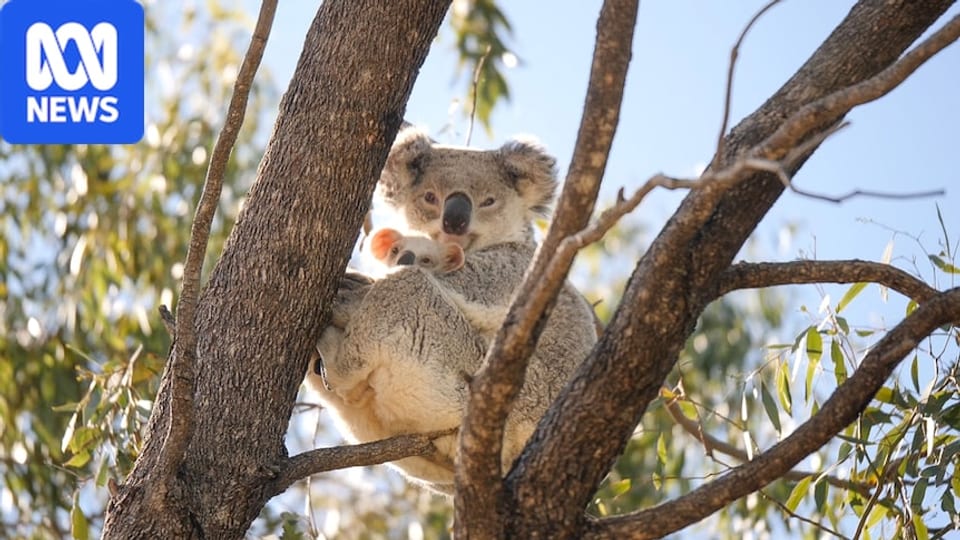
New South Wales passed the law for a national park built around koala forest

After more than 14 hours of debate and about 160 amendments, the New South Wales parliament passed the law creating the Great Koala National Park. It takes in 478,000 hectares between Kempsey and Grafton on the Mid North Coast, which the state government calls the state's second-largest national park. The area mixes existing parks with more than 178,000 hectares of state forest and Crown land. Environment Minister Penny Sharpe said it would protect more than 100 species of plants and animals. Conservationist Ashley Love, who has campaigned for the park for more than a decade, called it a big step and also said the forest is fragmented, with gaps between sections. The day before the vote, the federal Clean Energy Regulator registered a carbon project covering more than 117,000 hectares tied to ending native-forest logging there. A logging moratorium on the proposed area began last year. Timber NSW president Andrew Hurford said mills in the region are running out of wood and that layoffs have already spread to suppliers. In July the Forestry Corporation of NSW said it would cut more than 30 jobs in Coffs Harbour. The government said affected staff would be offered suitable roles with the National Parks and Wildlife Service.

A forest where koalas still live can be taken out of the logging rotation, so the next argument is about connecting the pieces rather than whether to cut them.

The law has passed. The article does not say the new boundaries are fully signed, staffed, or closed to every remaining logging operation. Love says surrounding forest was left out. Job losses in the timber industry are part of the same decision. The species count is the minister's.

Image: BBC News

People in prison at Peterborough built ten little libraries for the city

Men and women at HMP Peterborough designed, built, and decorated ten wooden book boxes that can stand outside in the weather. The prison worked with voluntary librarian Catherine Galloway and the Cambridge charity Abbey People. Labour MP Andrew Pakes unveiled the first box outside the prison. The others are still to be placed around the city, including one at Outside Links, a hub the prison runs for people who have left. Galloway said free books, put where people already are, change literacy, and that having the prison make them changes the story for the people building them. She and other volunteers began a book-box network in Cambridge's Abbey ward in 2020, part of the Little Free Library idea that started in Wisconsin in 2009. She wants 50 new boxes in Cambridgeshire for the UK National Year of Reading 2026. The prison's head of education, Andrew Barringer, said the makers were proud to help with something they recognized from their own lives. The prison cited Ministry of Justice figures that 57 percent of adult prisoners in England and Wales have literacy below the level expected of an 11-year-old.

A box of free books on a street corner is a small public room, and the people who built these ones are part of the city they are for.

Only the first box has been unveiled. The rest are planned, not yet on their corners. The literacy figure is a national prison statistic, not a count of the people who built the boxes. The claim that the boxes will lift literacy is Galloway's, not a measured result.

BBC News ↗· Oct 25, 2026

Image: BBC News

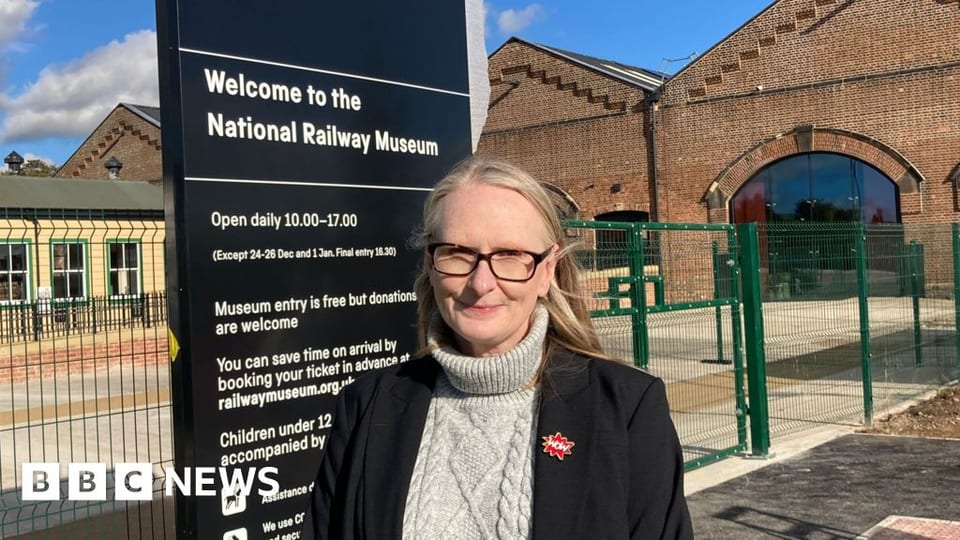
York's railway museum opened a side gate so visitors can skip a long detour

The National Railway Museum in York has opened a temporary entrance on Hudson Boulevard, the walking and cycling route beside Station Hall. While Central Hall is under construction, visitors had been sent the long way around, past Station Hall, to the only door on Leeman Road, a detour of about 400 metres. Sarah Price, head of public programme, said the museum spent eight months on the new way in, and that the old walk feels longer in the rain. People can now use either door. The Leeman Road entrance still reaches the Great Hall. The museum opened in York in 1975 and was the first national museum outside London. When Central Hall opens in 2028 it is meant to become the main entrance, and the first one with level access in the museum's history. This temporary door is the shortcut until then.

A shorter walk from the path to the door is the difference between turning around in the rain and going in.

The entrance is temporary. The article does not say it is step-free. Level access is described as part of the Central Hall plan for 2028, not as a feature of the door that just opened. The 400 metres is the BBC's figure for the detour being replaced.

BBC News ↗· Oct 24, 2026

An extra year of secondary school in Britain lined up with fewer dementia diagnoses decades later

A 1972 law in England, Wales, and Scotland raised the age when a student could leave school from 15 to 16, for people born after 1 September 1957. Staying on until 16 became 14 percent more common. Researchers at the University of Wisconsin–Madison and the University of Southern California looked at medical records for more than 100,000 people in the UK Biobank and compared those the law kept in school with those it did not. In a paper in Proceedings of the National Academy of Sciences, they report that the extra year lined up with a 0.88 percent lower rate of Alzheimer's and related dementias over the following 50 years. The difference was largest for people whose genes put them at higher risk. Diagnoses were counted only through December 2022, when the oldest people in the comparison turned 65, using hospital records, medical histories, and death registries. The National Institute on Aging, which funded the work, called the effect profound. Lead author Silvia Barcellos said the point is less the exact figure than the finding that schooling can offset inherited risk. She and her colleagues also tied the reform to later differences in income and other health, and they warn that the gap may grow or shrink as the group ages and dementia becomes more common.

A year that looks ordinary at 16 can still be one of the few things, decades on, that sits between a person and a diagnosis.

The 0.88 percent figure is the one in the NIH release. Dementia was still uncommon in this group because follow-up stops at age 65, so a small change can look large. The authors say the difference may not hold in the same way as people get older. The study is about one schooling law, not a prescription for any single student.